
















Smart Contract Development Services
Smart contract development services for blockchain products - secure, tested, and audit-ready.


What Is Smart Contract Development?
Smart contract development is the process of designing, developing, testing, deploying, and maintaining self-executing programs that automate business logic on blockchain networks. Smart contracts eliminate manual processes, reduce operational risks, and enable transparent, trustless execution of digital transactions. At Peiko, we deliver end-to-end smart contract development services for DeFi, tokenization, NFT platforms, DAOs, marketplaces, staking protocols, and enterprise blockchain applications.
Build Custom Smart Contracts
We develop secure, scalable smart contracts tailored to your business requirements. Whether you are launching a DeFi protocol, NFT marketplace, token ecosystem, DAO, staking platform, or enterprise blockchain solution, our engineers design contract architecture, implement business logic, optimize gas efficiency, and ensure every contract is production-ready.
Integrate Smart Contracts into Your Product
Smart contracts rarely operate in isolation. We integrate blockchain logic with web and mobile applications, wallets, backend services, APIs, oracle networks, payment systems, and administrative dashboards. This enables seamless interaction between your users, blockchain infrastructure, and business applications while maintaining security and performance.
Our Smart Contract Development Services
Custom Smart Contract Development
Design and develop secure smart contracts tailored to your business logic, tokenomics, and platform requirements. We build production-ready contracts optimized for performance, security, and long-term scalability.
DeFi Smart Contract Development
Build smart contracts for decentralized finance applications, including DEXs, lending and borrowing protocols, staking platforms, yield farming, liquidity pools, and automated market makers (AMMs).
Token Smart Contract Development
Develop ERC-20, ERC-721, ERC-1155, BEP-20, SPL, and custom token standards with minting, burning, vesting, governance, staking, and token distribution logic.
NFT Smart Contract Development
Create secure NFT smart contracts for marketplaces, gaming platforms, collectibles, ticketing systems, loyalty programs, and tokenized assets with royalty management and metadata support.
Smart Contract Consulting
Help define smart contract architecture, choose the right blockchain, evaluate technical feasibility, estimate development costs, and create a roadmap before implementation begins.
Smart Contract Migration & Modernization
Upgrade legacy smart contracts, migrate protocols to new blockchain networks, optimize existing codebases, and introduce new functionality while minimizing business disruption.
Smart Contract Security & Audit Support
Review contract architecture, identify vulnerabilities, optimize gas efficiency, improve code quality, and prepare smart contracts for independent security audits before deployment.
DAO Smart Contract Development
Develop governance smart contracts that enable decentralized voting, treasury management, proposal execution, and community-driven decision-making.


Smart Contract Solutions We Build
Develop smart contracts for decentralized exchanges (DEXs), lending and borrowing platforms, staking protocols, liquidity pools, yield farming, vaults, and automated market makers (AMMs).
Build ERC-20, BEP-20, SPL, and custom token contracts with minting, burning, vesting, governance, treasury management, and token distribution functionality.
Create smart contracts for NFT marketplaces, gaming assets, collectibles, ticketing platforms, memberships, loyalty programs, and digital ownership solutions.
Develop decentralized governance systems with voting mechanisms, proposal management, treasury control, multi-signature approvals, and community participation.
Implement staking contracts, validator rewards, vesting schedules, referral systems, farming pools, and incentive mechanisms that drive long-term user engagement.
Automate business workflows, approvals, digital agreements, supply chain operations, and compliance processes using blockchain-based smart contracts.
Develop smart contract infrastructure for digital marketplaces supporting escrow, royalties, auctions, fractional ownership, and secure peer-to-peer transactions.
Develop smart contracts for tokenizing real-world assets such as real estate, commodities, securities, invoices, and investment funds with transparent ownership records.
Our Smart Contract Development Experience
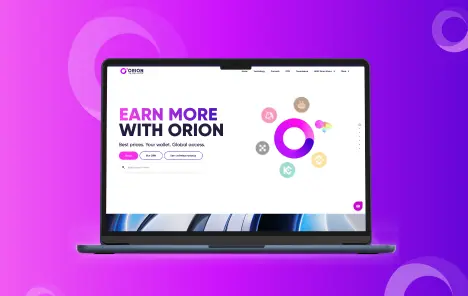
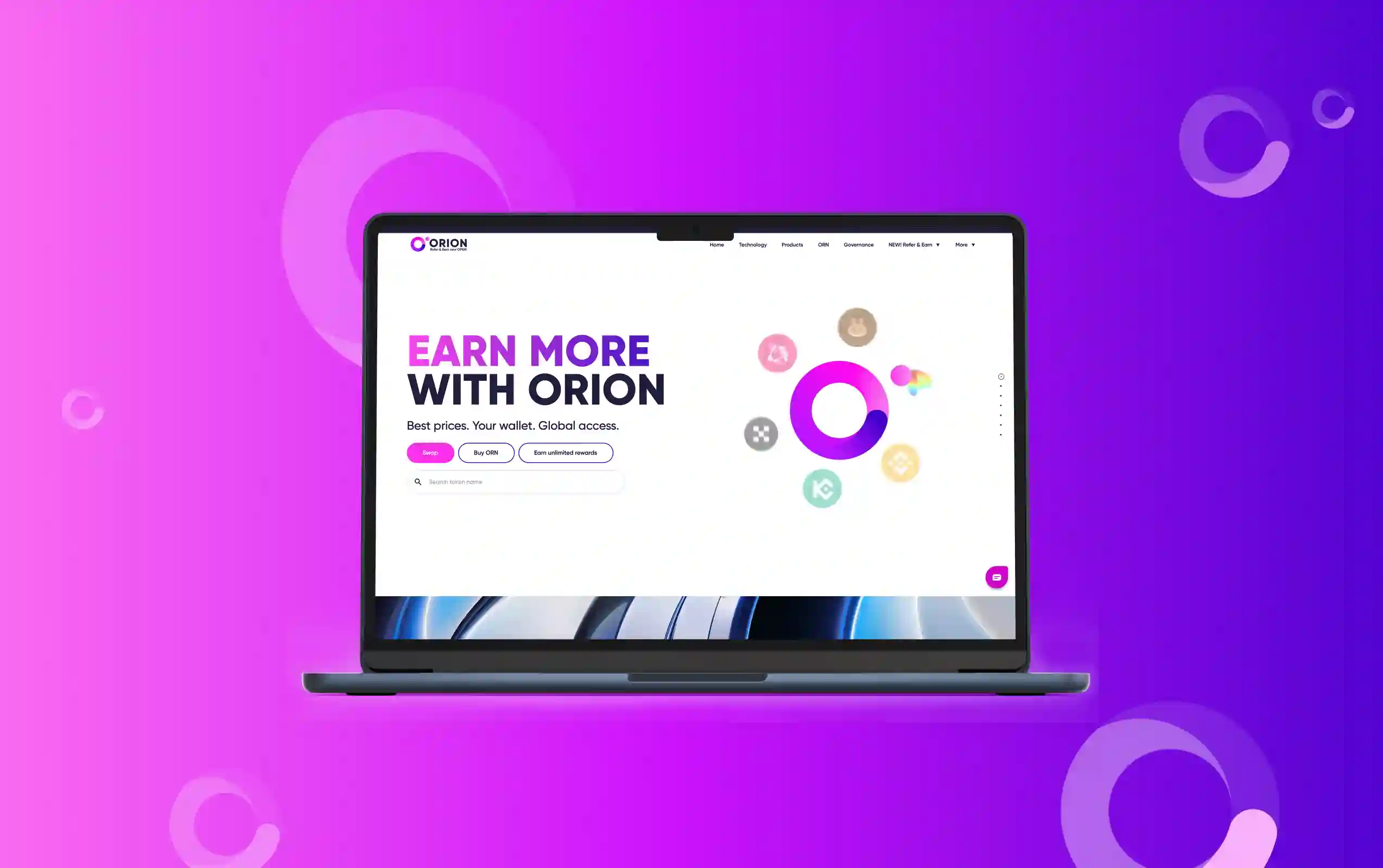
Orion Protocol (ORN) is a decentralized blockchain platform leveraging open-source technology to aggregate liquidity from centralized and decentralized exchanges (CEXs and DEXs).
The primary aim of this project is to offer cryptocurrency traders and users optimal trading rates across various exchange markets and platforms.


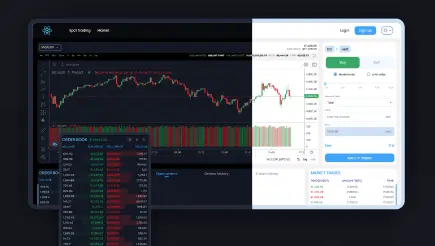
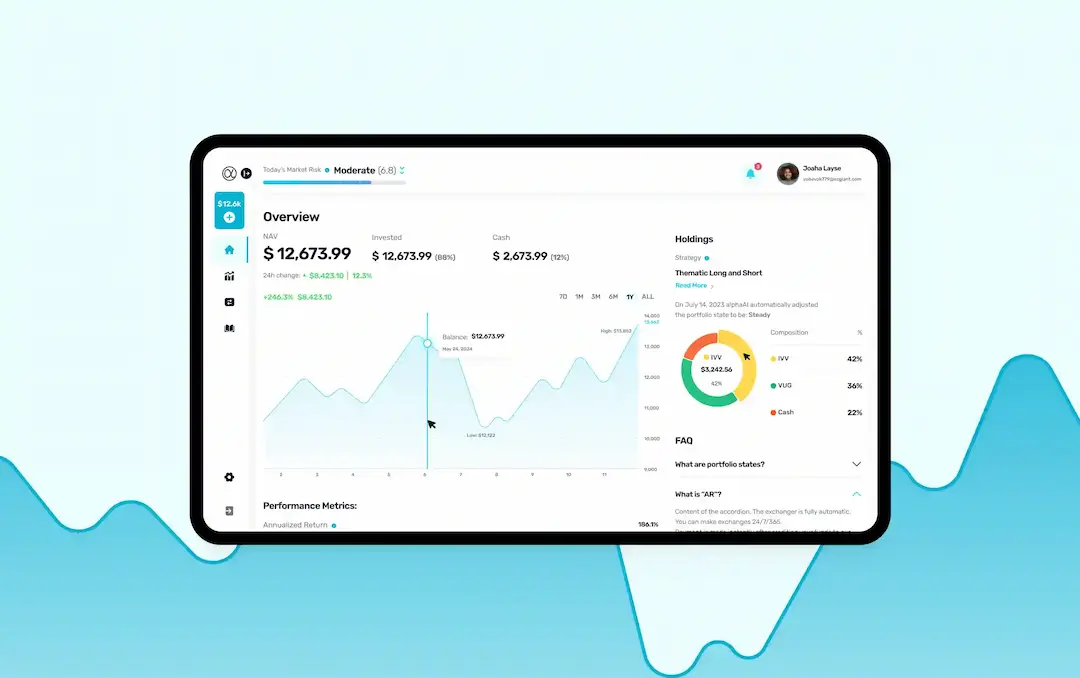
A next-generation AI-powered trading platform that lets retail investors build, simulate, and run fully-automated ETF strategies.
We had to create a secure, real-time trading product from scratch, translate a complex vision into a clear roadmap, and keep development agile enough to absorb regular startup pivots.


White-label solution that enables users to launch blockchain-based projects quickly and efficiently.
A project that could serve as the core infrastructure for upcoming blockchain ventures, specifically focusing on cryptocurrency exchange services.


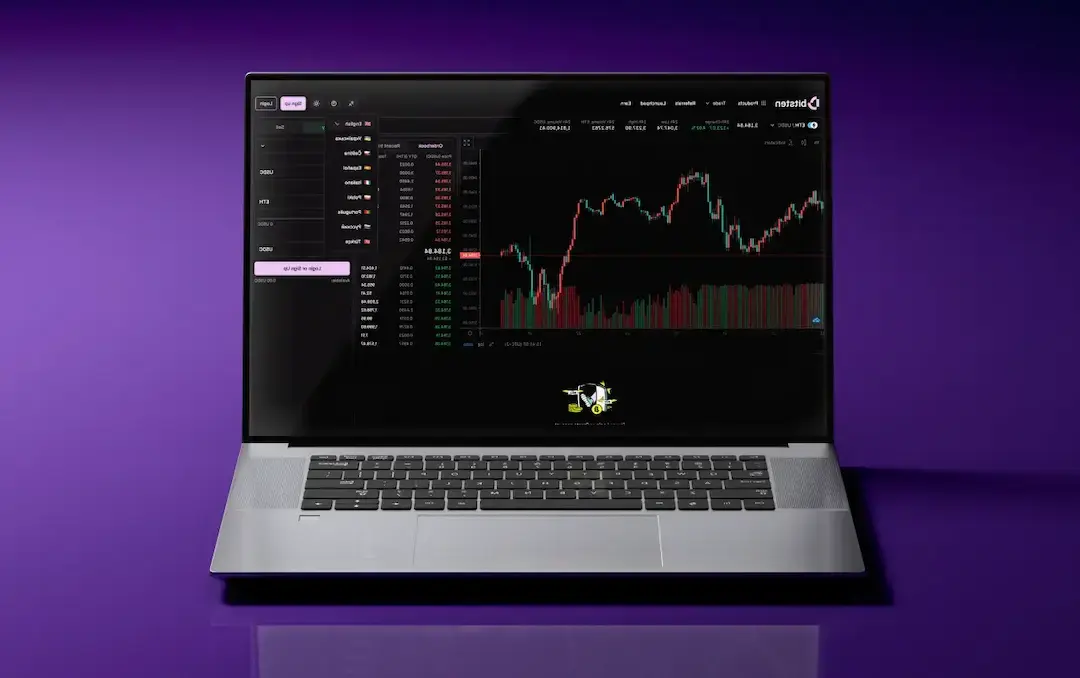
It is an innovative crypto-driven auction platform where users can purchase various types of technology and vehicles using a native cryptocurrency.
The goal was to create a robust platform with integrated blockchain technology to enable secure, transparent, and efficient transactions.



How Much Does Smart Contract Development Cost?
Token Smart Contracts
Starting from $5,000 Develop ERC-20, BEP-20, SPL, and custom token contracts with minting, burning, vesting, governance, and treasury functionality.
NFT Smart Contracts
Starting from $10,000 Build NFT smart contracts supporting ERC-721, ERC-1155, royalties, metadata management, marketplaces, gaming assets, and digital collectibles.
DeFi Smart Contracts
Starting from $25,000 Develop smart contracts for decentralized exchanges, lending and borrowing protocols, staking platforms, liquidity pools, vaults, farming mechanisms, and automated market makers.
Enterprise Smart Contract Solutions
Starting from $40,000 Build custom blockchain business logic for enterprise automation, tokenization, digital agreements, supply chain management, governance, and financial applications.
Smart Contract Development Company for Startups and Enterprises
For Startups
Launch blockchain products faster with lean MVP development, scalable smart contract architecture, and technical guidance that helps validate your idea while preparing for future growth.
For Growing Web3 Companies
Expand your existing blockchain ecosystem with new smart contract functionality, protocol upgrades, tokenomics improvements, staking mechanisms, and additional integrations.
For Enterprises
Implement blockchain automation, tokenization, digital asset management, compliance workflows, and enterprise-grade smart contract solutions integrated with your existing systems.
Since 2017, our software creation team has consistently delivered industry-focused development services that get results.



Why Our Smart Contract Development Approach Delivers Better Results
Security by Design
Every smart contract is developed with security as a core principle, following industry best practices, comprehensive testing, and production-ready coding standards.
Scalable Architecture
Our solutions are built to support growing transaction volumes, protocol upgrades, and future ecosystem expansion.
Gas Optimization
We optimize smart contract logic to reduce transaction costs while maintaining performance and functionality.
Production-Ready Code
Every contract is thoroughly tested, documented, and prepared for deployment in live blockchain environments.
Seamless Integrations
Smart contracts integrate smoothly with wallets, backend services, APIs, oracle providers, and Web3 applications.
Every smart contract is designed with security in mind. We follow secure coding standards, conduct comprehensive testing, optimize contract logic, and prepare solutions for independent security audits when required.
Your project is delivered by experienced blockchain developers with expertise in Solidity, smart contract architecture, DeFi protocols, tokenization, and enterprise blockchain solutions.
We build scalable smart contract systems that integrate seamlessly with wallets, backend services, Web3 applications, oracle providers, and blockchain infrastructure.
We don’t just write smart contracts-we help transform business requirements into secure, scalable blockchain products that deliver measurable value.
Our Smart Contract Development Process



What Our Clients Say
We don’t just build software, we build success stories

Peiko delivered a smart contract that was highly evaluated by one of the most demanding auditors on the market. They contributed strategically, offering insights that extended far beyond technical development.

Amazing agency, perfect communication and execution (agile development with very high quality of work), they think out of the box and really help you shape the product. They also have great design skills in the team and are always available- I highly recommend them and will definitely hire again for a next big project!

We are pleased that we selected Dima and Peiko as our software development Advisor and partner. Dima and Peiko team beyond the great technical skills, their collaborative approach and project management make them a reliable tech partner.

I selected Peiko team based on their profile and the submitted quality proposal. I also met them personally, and I reached the initial concusion that I am working with a professional team. The end product was delivered with superb quality and structure. the documentaiton part was also great.

If you’re looking to partner with a team that truly understands your vision and has the technical prowess to bring it to life, Peiko is the partner you can rely on.

I consider Peiko a qualified technical partner for many reasons, such as delivering milestones on time, providing fast software improvements, and resolving bug issues quickly. They’re very experienced in blockchain and financial services and get deeply involved in the development process.

What impresses me most about Peiko is their innovative approach! Thanks to Peiko’s efforts, the client has noticed an increase in user engagement and trading volume. The team establishes a seamless workflow by being highly responsive and dedicated to the project. Moreover, they continue to impress the internal team with their innovative solutions.

Their rapid response to our requests was a major factor in the project’s successful completion. Peiko’s efforts have increased user engagement and transactions, meeting expectations. Peiko’s responsive and communicative approach has resulted in a successful partnership. The team is committed to creating a secure and user-friendly platform that caters to auctioneers and buyers.

Peiko has provided deliverables on time and with minimal revisions. The team is responsive to the client’s needs, addresses questions quickly, and consistently delivers items within expectations. Peiko’s communication and problem-solving skills have been remarkable throughout the engagement.

Although the platform has yet to launch, Peiko is able to execute and manage the platform successfully. A collaborative team, they have engaged with the clients to work out the stages and concept in the development of the project. They have communicated well to provide progress updates and feedback.


Although the platform has yet to launch, Peiko is able to execute and manage the platform successfully. A collaborative team, they have engaged with the clients to work out the stages and concept in the development of the project. They have communicated well to provide progress updates and feedback.
They’re an open-minded team and I’m glad to be working with them. Peiko works fast and pays great attention to detail. Regular and honest communication benefit the collaborative partnership. Customers can expect to work with a professional and open-minded team.


My initial trepidation in hiring an agency in another time zone, and a market I was not familiar with, proved unfounded. Always professional. Incredibly switched on. I get the sense they actually really understand what we are trying to achieve. I don’t have to explain everything – they intuitively seem to understand. The designs the team have come up with are fantastic.
We’ve earned a 100% Job Success score on Upwork as a result of consistent delivery, long-term client satisfaction, and predictable results.
View work historyOur work is rated 5.0 on Clutch, reflecting verified client reviews, strong professionalism, and a clear focus on scalable, business-driven digital solutions.
Read reviewsFAQ
Discover an effortless way to hire experienced blockchain smart contract developers with Peiko — the most valuable smart contract development agency. Take advantage of a free consultation to find the perfect solution for your project. Whether you need one smart contract developer or an entire outsourced team, we’ve got you covered
The price is influenced by various factors, including the technology employed and any distinctive features integrated into the final product. While the price range may fluctuate from $1,000 to $20,000, our team will provide you with a thorough and accurate assessment to ensure transparency and alignment with your budget.
Our team of blockchain smart contract developers will conduct a detailed analysis of your project and its entire scope to deliver a comprehensive estimate aimed at minimizing blockchain smart contract development time. While providing an exact timeframe is challenging, we can offer a rough procedure that the duration might range from 2 days to 3 months. The actual timeline will depend on the complexity of developing smart contracts specifically for your project and specific requirements, ensuring that we provide a tailored and efficient solution for your needs.
The best blockchain depends on product goals, transaction costs, and user ecosystem. Ethereum is still widely used for security and ecosystem maturity. Other networks may offer faster transactions or lower fees. Most projects start with one primary network and expand later if needed. Choosing the wrong chain early can slow product growth, so this decision usually deserves extra attention.
Smart contracts are usually immutable, but upgrade patterns can be implemented during development. Proxy contracts and migration strategies allow projects to update logic without losing data or breaking integrations. Planning upgradeability early is important, because changing smart contract logic after deployment can become expensive or technically impossible.
Security usually combines code testing, internal reviews, and third-party audits when required. Access control logic, safe transaction validation, and predictable contract execution also reduce risk. No system is fully risk-free, but layered security design significantly lowers chances of critical vulnerabilities and helps protect user assets and platform reputation.
Not every blockchain product requires complex smart contract logic. Some products only need token transfers or simple verification logic. Others require full automation of business rules. We usually recommend evaluating product logic first before deciding how much smart contract complexity is actually needed.
Yes, smart contracts can connect to web apps, mobile apps, backend services, and third-party APIs. Most real products use both on-chain and off-chain components working together. Integration planning helps avoid performance issues and keeps user experience smooth.
Fixing deployed contracts can be difficult depending on architecture. Some contracts can be upgraded, others require migration to new versions. This is why testing and architecture planning are critical before deployment. Many teams underestimate how expensive post-launch fixes can be.
Yes, but scalability depends on blockchain choice, contract design, and infrastructure architecture. Some networks handle high load better than others. Optimization and load planning help ensure contracts remain stable as user activity grows.
To develop a smart contract, start with a clear specification of business logic, roles, permissions, and edge cases. The next steps include security-first design, implementation, unit testing, and audit preparation before deploying to testnet and mainnet
Got a question? Drop us an email at hello@peiko.space
Additional Services

Supported Blockchains & Tech Stack