















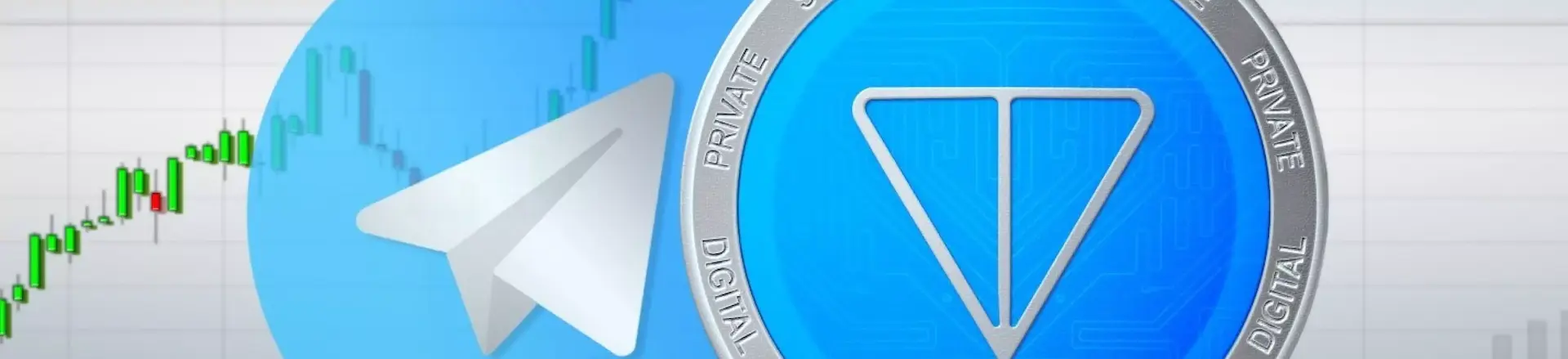
Telegram is one of the favored platforms among cryptocurrency enthusiasts due to its strong emphasis on privacy, security features, and robust crypto bot Telegram capabilities. The integration of crypto payments and services within this messaging platform has grown significantly, enabling users to manage their digital currencies seamlessly within Telegram.
Users can conduct transactions directly through Telegram’s in-app wallet, powered by The Open Network (TON). For businesses, Telegram allows for seamless acceptance of crypto payments. Various Telegram bots and Mini Apps provide trading functionalities that enable users to buy, sell, and trade cryptocurrencies without leaving the app. And that’s not all. Telegram supports cryptocurrency enthusiasts with dedicated crypto news Telegram channels and group chats.
In this article, we will consider cryptocurrency usage in Telegram in more detail. You will also find out how the Peiko team can help you develop robust crypto solutions that facilitate payments in Telegram (and not only) and drive your business profit.
Telegram Crypto Ecosystem in 2026
Over the past two years, Telegram has evolved far beyond a messaging platform. In 2026, it has become one of the largest ecosystems for blockchain applications, digital payments, decentralized identity, and Web3 services.
Instead of relying on multiple standalone applications, users can now access wallets, decentralized applications, crypto payments, tokenized assets, and financial services directly inside Telegram. This significantly reduces friction and creates a seamless user experience for both consumers and businesses.
For companies building blockchain products, Telegram is no longer simply a marketing channel – it has become an application platform capable of supporting complete financial products.
Today’s Telegram crypto ecosystem consists of several tightly integrated components:
- Telegram Mini Apps for interactive applications
- TON Blockchain for decentralized infrastructure
- TON Connect for secure wallet authorization
- Telegram Wallet for crypto storage and transfers
- Telegram Stars for digital purchases
- Telegram Business for customer interactions
- Telegram Ads for user acquisition
- Fragment marketplace for digital identities and usernames
These technologies allow businesses to launch crypto products with significantly lower customer acquisition costs compared to traditional web applications while benefiting from Telegram’s massive global audience.
As Telegram continues expanding its blockchain infrastructure, companies entering the ecosystem today can build payment platforms, crypto wallets, DeFi applications, NFT marketplaces, loyalty programs, and tokenized business models within a single environment.
Why Businesses Choose Telegram in 2026
Several factors explain why more startups and enterprises are choosing Telegram as their primary Web3 platform:
- Over one billion users worldwide provide immediate market access.
- Native wallet integration simplifies onboarding.
- TON Blockchain enables low transaction fees and high throughput.
- Mini Apps eliminate installation barriers.
- Built-in authentication reduces development complexity.
- Growing developer ecosystem accelerates product delivery.
- Strong community features improve customer retention.
For many blockchain startups, Telegram has become the fastest way to launch a consumer-facing crypto application without building a traditional mobile application from scratch.
| Telegram Component | Purpose | Business Value |
|---|---|---|
| Telegram Mini Apps | Interactive applications | Higher user engagement |
| TON Blockchain | Smart contracts & transactions | Fast and low-cost infrastructure |
| TON Connect | Wallet authentication | Secure login & payments |
| Telegram Wallet | Crypto asset management | Simple onboarding |
| Telegram Stars | Digital purchases | Alternative payment channel |
| Telegram Business | Customer communication | Better customer support |
| Fragment | Digital identities & usernames | Tokenized ownership |
| Telegram Ads | User acquisition | Marketing and growth |
Understanding how these technologies interact is essential before integrating cryptocurrency into Telegram applications. The following sections explain how businesses can leverage each component to build secure and scalable blockchain solutions.
Accepting crypto payments via Telegram: key advantages
Telegram has evolved beyond a messaging app to become a comprehensive platform for managing, trading, and staying informed about cryptocurrencies, catering effectively to the needs of the crypto community.
Entrepreneurs prefer this platform for business and accepting payments for a number of significant reasons:

- Telegram’s popularity. The platform has more than 950 million active users per month, as was announced by Pavel Durov. About 70% of individuals not only apply to Telegram as a messenger but also read channels there. This opens up the opportunity for companies to grow their user base.
- Integration with diverse crypto payment acceptance services. Telegram allows people to send and obtain crypto payments directly through its platform using diverse wallet bots and apps. This guarantees easy connectivity and streamlines the handling of cryptocurrency transactions.
- No additional fees. When making payments through Telegram, the messenger does not act as an intermediary in the transaction. Instead, it merely offers a platform for the business and client to interact.
- Confidentiality and security. Utilizing advanced encryption protocols, Telegram ensures all communications and financial transactions carried out within the platform are securely encrypted, shielding sensitive information from unauthorized access.
- Increased conversion. Processing payments via Telegram enables users to conduct transactions directly within the platform, eliminating the need for external services. The streamlined payment process enhances conversion rates by minimizing the number of steps involved.
How users can get started with crypto on Telegram
To begin using cryptocurrency on Telegram, users should follow these essential steps: set up their account, select a compatible wallet, and ensure robust security measures.
Creating a Telegram account
To get all the benefits of Telegram crypto integrations, users need a Telegram account. They should download the Telegram app from the app store or the official website. Then, users need to install and launch the app, then tap “Start Messaging.” After that, users should enter their phone number and complete their profile by adding a username, photo, and any other details. An account is now ready for crypto integration.
Choosing a cryptocurrency wallet
Selecting the right cryptocurrency wallet is vital. Telegram supports several wallets that can be integrated directly into the app. Users can apply Telegram’s own wallet or any third-party crypto wallet that is compatible with Telegram. By the way, at Peiko, we know how to build a Telegram wallet that will be robust and secure.

Ensuring security and privacy
Maintaining security and privacy is crucial when making cryptocurrency operations. Users can enable 2FA (two-factor authentication) in the Telegram app. It is important to be cautious with bots and external platforms; use only trusted and verified services to prevent scams.
How to integrate crypto to Telegram
This platform has introduced several Telegram crypto integrations that simplify the use of cryptocurrency. These options enable users to send, receive, and manage digital assets directly through the chat interface.
Telegram Mini App Architecture: How Crypto Integrations Work
Modern Telegram crypto applications rely on a layered architecture that combines Telegram’s native platform, backend infrastructure, blockchain services, and smart contracts. Building a scalable Telegram Mini App requires much more than simply connecting a wallet—it involves secure authentication, transaction processing, API communication, and blockchain interaction.
A typical Telegram crypto application consists of several interconnected layers, each responsible for a specific part of the user journey.

Frontend Layer
The frontend is built as a Telegram Mini App using modern web technologies such as React or Next.js. Unlike traditional mobile applications, Mini Apps run directly inside Telegram, eliminating installation barriers and significantly improving user onboarding.
This layer is responsible for displaying balances, initiating transactions, interacting with smart contracts, and providing real-time updates.
Telegram WebApp SDK
The Telegram WebApp SDK provides access to native Telegram functionality including:
- user authentication
- theme synchronization
- notifications
- secure initialization
- device information
- payment interactions
Using the SDK allows developers to create applications that behave like native Telegram experiences while maintaining full flexibility.
Backend Services
The backend manages all business logic that should never be exposed to users.
Typical backend responsibilities include:
- user management
- transaction validation
- KYC integration
- payment processing
- notification services
- analytics
- API integrations
- blockchain monitoring
Most enterprise Telegram applications use Node.js, NestJS, or Go for backend development because of their scalability and WebSocket support.
TON Connect
TON Connect serves as the bridge between Telegram Mini Apps and users’ cryptocurrency wallets.
Instead of exposing private keys or requiring manual wallet management, users simply approve transactions inside their preferred wallet.
This approach improves both security and user experience while keeping blockchain interactions decentralized.
Smart Contracts
Smart contracts execute the core blockchain logic of the application.
Depending on the project, smart contracts can manage:
- crypto payments
- escrow services
- NFT ownership
- staking
- token transfers
- DAO governance
- loyalty programs
- subscription payments
Because contracts execute on-chain, they provide transparency, automation, and trust without requiring centralized intermediaries.
Database & Analytics
Although blockchain stores transaction history, most business applications still require traditional databases for operational data.
Typical information stored off-chain includes:
- user profiles
- permissions
- application settings
- analytics
- customer support information
- notifications
- logs
This hybrid architecture combines blockchain transparency with enterprise-level performance.
| Architecture Layer | Technology | Purpose |
|---|---|---|
| User Interface | Telegram Mini App | Customer interaction |
| Frontend | React / Next.js | Application UI |
| Telegram SDK | Telegram WebApp SDK | Native Telegram features |
| Wallet | TON Connect | Secure authentication |
| Backend | Node.js / NestJS | Business logic |
| Smart Contracts | TON | Blockchain automation |
| Database | PostgreSQL | Application data |
| Analytics | GA4 / Mixpanel | User behavior tracking |
Telegram bots for swift crypto transactions
These bots enable users to effortlessly send and receive payments. For instance, @CryptoBot helps manage crypto funds with simple commands in the chat. It supports various cryptocurrencies and offers functionalities such as transaction history and balance inquiries.
By integrating such bots into Telegram, users can automate numerous crypto tasks. This is especially beneficial for recurring payments or setting up automatic trades.
Telegram Mini Apps are the new trend in the crypto sector
Telegram also features Mini Apps that operate within the platform without requiring separate installations. If users search for “How to integrate crypto to Telegram?” they can discover and install these applications by applying Telegram’s search function.
For example, sending Toncoin (the native cryptocurrency of the TON blockchain) can be done via Telegram’s integrated wallet. Users can search for @Wallet in Telegram, select the Wallet option, and then follow the instructions to link their Toncoin account.
There are many crypto wallet Mini Apps on the Telegram Apps Center. They are Wave Wallet, Telenova: Polkadot Wallet, and others. These applications simplify cryptocurrency management and improve user experience.

What contributed to the popularity of Mini Apps? Mostly, these are initiatives like Notcoin that have engaged an enormous user base. The Notcoin project introduced a Web3 game and gaming token, NOT, which has a market capitalization of $1.4 billion, according to CoinMarketCap.

Another project, Hamster Kombat, a Mini App Telegram game, has attracted 256 million users as of July 2024. This highlights the growing influence of Mini Apps on the Telegram platform, including Telegram Bitcoin games, crypto wallets, and even dating applications.
Use cases of Telegram Mini Apps in crypto industry
Telegram Mini Apps serve multiple functions in the cryptocurrency field. A key use is facilitating micropayments for digital content. Content creators can leverage these apps to receive payments for articles, videos, or other materials directly through Telegram, offering a smooth and integrated experience for their audience.
Another notable application is peer-to-peer (P2P) trading, where users can buy and sell cryptocurrencies with one another without leaving the app. This feature is highly convenient for users seeking swift transactions.
Additionally, Mini Apps can support crypto-based fundraising efforts. Projects can utilize Telegram to collect donations in different cryptocurrencies. This approach streamlines the fundraising process and fosters a vibrant ecosystem within the platform.
At Peiko, we can help you with Telegram Mini Apps development, so you will get applications that will attract users and generate revenue.
Telegram Mini Apps vs Telegram Bots: Which Solution Should You Choose?
Although Telegram Bots and Telegram Mini Apps are often mentioned together, they solve different business problems. Choosing the right approach depends on your product goals, user experience requirements, and the complexity of blockchain functionality.
Telegram Bots are ideal for conversational interactions, notifications, customer support, and simple automation. They work through Telegram’s chat interface and require minimal user interaction beyond sending commands or tapping inline buttons.
Telegram Mini Apps, on the other hand, provide a full-featured web application experience inside Telegram. They support modern interfaces, complex workflows, wallet connectivity, blockchain transactions, and advanced business logic without requiring users to install a separate mobile application.
For blockchain products, Mini Apps have become the preferred solution because they offer significantly more flexibility while maintaining Telegram’s native user experience.
| Feature | Telegram Bot | Telegram Mini App |
|---|---|---|
| User Interface | Chat-based interface | Full interactive web interface |
| User Experience | Basic | Advanced |
| Wallet Integration | Limited | Native TON Connect support |
| Smart Contract Interaction | Limited | Full support |
| Crypto Payments | Basic | Complete payment flow |
| Authentication | Telegram User ID | Telegram + Wallet authentication |
| UI Customization | Low | High |
| Performance | Good | Excellent |
| Best For | Notifications, support, automation | Wallets, exchanges, DeFi, marketplaces |
| Development Complexity | Low | Medium–High |
When to Choose Telegram Bots
Telegram Bots remain an excellent choice for lightweight automation and communication-focused applications.
Typical use cases include:
- customer support
- order notifications
- marketing campaigns
- appointment reminders
- trading alerts
- community management
- FAQ automation
Bots are faster to develop and require fewer resources, making them ideal for MVPs with limited functionality.
When to Choose Telegram Mini Apps
Mini Apps are designed for products that require rich interfaces and blockchain functionality.
They are particularly suitable for:
- crypto wallets
- decentralized exchanges
- token launchpads
- NFT marketplaces
- staking platforms
- payment systems
- financial dashboards
- Web3 games
- loyalty platforms
Mini Apps provide a significantly better user experience while enabling secure wallet authentication and direct interaction with smart contracts.
| Business Goal | Recommended Solution |
|---|---|
| Customer Support | Telegram Bot |
| Crypto Wallet | Telegram Mini App |
| Payment Platform | Telegram Mini App |
| Trading Platform | Telegram Mini App |
| Community Management | Telegram Bot |
| Marketing Automation | Telegram Bot |
| NFT Marketplace | Telegram Mini App |
| Web3 SaaS Platform | Telegram Mini App |
| Notification Service | Telegram Bot |
| DeFi Application | Telegram Mini App |
Telegram’s smart contracts integration
Telegram supports smart contracts (self-executed agreements that automate the actions in the blockchain). These smart contracts Telegram capabilities allow users to interact with dApps (decentralized applications) directly. This feature opens up diverse possibilities for security, automation, and efficiency in transactions.

Bots help users interact with decentralized apps on Telegram. These bots act as intermediaries, simplifying smart contract transactions. By integrating Ethereum or similar blockchain technology, users can execute contracts without needing a technical background.
To start, users need to access a crypto bot Telegram solution created for a specific dApp. They should follow guidelines for linking their crypto wallet and agreeing to smart contract conditions. This facilitates intricate tasks such as automated payments, escrow services, and digital contracts.
In general, the integration of smart contracts within Telegram guarantees secure and transparent transactions. Users can review contract details and monitor transaction history directly in the app, enhancing efficiency and making it a valuable tool for both business and personal applications.
How Telegram Crypto Payments Work: Step-by-Step Transaction Flow
One of the biggest advantages of Telegram crypto integrations is the ability to complete blockchain transactions without leaving the messenger. Instead of redirecting users to external websites or standalone wallet applications, payments can be initiated, approved, and confirmed directly inside a Telegram Mini App.
Although the process appears simple to end users, every payment involves multiple security checks, blockchain interactions, and backend services working together.
Understanding this flow helps businesses design secure, scalable, and user-friendly payment experiences.

Step 1. User Initiates Payment
The customer selects a product, subscription, digital asset, or service inside the Telegram Mini App.
At this stage, the application calculates pricing, validates availability, and prepares a blockchain transaction request
Step 2. Wallet Authentication
Instead of entering private keys, users authenticate using TON Connect.
The wallet securely requests transaction approval while keeping private keys entirely under the user’s control.
This approach minimizes security risks and simplifies onboarding for new users.
Step 3. Transaction Signing
After reviewing payment details, the wallet generates a cryptographic signature confirming that the user has approved the transaction.
Only the signature is transmitted to the blockchain.
Private keys never leave the wallet.
Step 4. Smart Contract Execution
The signed transaction is sent to a smart contract deployed on the TON blockchain.
Depending on the business model, the contract may:
- transfer tokens
- mint NFTs
- execute subscriptions
- release escrow funds
- record ownership
- trigger staking rewards
Because the execution occurs on-chain, all operations remain transparent and verifiable.
Step 5. Blockchain Confirmation
Once validators confirm the transaction, the blockchain records it permanently.
At this point the payment becomes irreversible and receives a transaction hash that can be used for verification.
Step 6. Backend Processing
The backend receives blockchain events through webhooks or blockchain APIs.
Typical actions include:
- updating balances
- granting premium access
- sending invoices
- issuing NFTs
- notifying administrators
- recording analytics
- triggering CRM workflows
Step 7. User Confirmation
The Telegram Mini App immediately displays the payment result.
Users receive confirmation together with transaction details and blockchain status without leaving Telegram.
| Payment Stage | Component | Responsibility |
|---|---|---|
| User Action | Telegram Mini App | Starts payment |
| Authentication | TON Connect | Secure wallet login |
| Approval | Wallet | Signs transaction |
| Execution | Smart Contract | Processes payment |
| Settlement | TON Blockchain | Confirms transaction |
| Notification | Backend API | Receives blockchain events |
| Business Logic | Admin Panel | Grants access or services |
| Analytics | Monitoring System | Tracks transaction metrics |
Managing crypto investments through Telegram
With its encrypted messaging and group functionalities, Telegram has gained popularity among cryptocurrency enthusiasts. Users can join various crypto communities, such as the Telegram Bitcoin group to discuss market trends or share trading signals. These communities frequently center around particular subjects such as market analysis, new cryptocurrency launches, and technical guidance.
Managing crypto investments through Telegram is also streamlined with automated trading features and portfolio tracking tools available on the platform.
Portfolio tracking tools
This messaging platform provides a variety of bots and Telegram crypto integrations to help users monitor their cryptocurrency portfolios in real time. These tools offer insights into asset performance, balance updates, and alerts for major market movements.
Popular bots such as CryptoBot deliver timely updates and detailed analytics. With these features, users can access price charts, track market trends, and receive notifications about price changes without leaving the app. This seamless integration improves user experience by decreasing the need to switch between different applications.
Automated trading on Telegram
Telegram also supports automated trading through various bots that allow users to set predefined conditions for buying or trading crypto assets. Automated trading bots operate based on established criteria, such as tech indicators or price triggers, facilitating a consistent trading approach with minimal manual oversight.
Users can configure their Telegram trading bot with preferred strategies and indicators like Moving Averages or the Relative Strength Index, allowing the bot to execute trades as market conditions align with the established parameters.
Trading signals
Participants can find groups like Cryptosignals.org, which provides daily trading signals. Crypto communities like these assist users in staying informed about the latest market trends and discovering potential investment opportunities.
On Telegram, trading conversations allow users to share strategies and obtain market signals, often in real time. Groups such as Binance Signals (an essential part of the Binance Telegram trading bot) provide frequent trading signals, often at no cost. These signals can suggest optimal times to buy or sell cryptocurrencies, benefiting both novice and skilled traders.
Crypto news on the Telegram platform
Telegram is a popular platform for tracking the latest developments and trends in the cryptocurrency world. By joining various crypto news Telegram groups, users gain access to timely updates, expert analyses, and lively discussions about market trends.
Top crypto news Telegram groups are often managed by experienced traders and analysts who provide valuable insights, trade signals, and comprehensive analyses of various cryptocurrencies. Additionally, Telegram channels alert users to significant events such as software updates, new coin launches, and market shifts, ensuring they remain well-informed.
But how to find these groups? The easiest way to find crypto Telegram channels is by entering relevant keywords into Telegram’s search bar. Alternatively, you can use Google to search for lists of crypto groups, though these lists may be outdated and less comprehensive.
For a more effective search, you can consider checking the comprehensive resources, such as the CoinLaunch library. It offers a professionally reviewed list of Telegram channels, groups, and influencers in the cryptocurrency space.
Pay attention: For the best experience in managing crypto assets, users should verify any information from these groups before making any financial moves.
The main challenges regarding Telegram’s crypto features
While Telegram’s cryptocurrency features offer substantial benefits, they also present certain challenges. It is vital for developers and users to address security concerns and establish compliance with regulatory requirements.
Security concerns
Security is a major consideration when using cryptocurrency features on any platform, including Telegram. Implementing additional security measures is essential to safeguarding funds and user data from cyber attacks. Telegram provides end-to-end message encryption, but additional protection is necessary for financial transactions.
- Users should activate two-factor authentication for added security.
- Developers must adopt strong security practices to prevent phishing attacks and malware.
Regulatory compliance
Navigating the regulatory environment for cryptocurrency on Telegram can be complex, as regulations differ by jurisdiction and affect transaction practices on the platform.
Certain countries mandate stringent KYC (know-your-customer) and AML (anti-money laundering) requirements. Telegram and developers must implement these procedures to comply with local laws, avoiding severe penalties and legal complications.
Security Best Practices for Telegram Crypto Applications
Building a secure Telegram crypto application requires much more than implementing blockchain transactions. Developers must protect user wallets, validate every transaction, secure backend infrastructure, and continuously monitor blockchain activity.
Security should be considered throughout the entire development lifecycle—from architecture design and smart contract development to deployment, monitoring, and ongoing maintenance.
Organizations that follow security best practices significantly reduce the risk of financial loss, unauthorized transactions, phishing attacks, and smart contract exploits.
Secure Wallet Authentication
Never request or store users’ private keys.
Instead, applications should rely on TON Connect or other trusted wallet providers that allow users to approve blockchain transactions without exposing sensitive credentials.
Every transaction should be signed inside the user’s wallet, ensuring that private keys never leave the user’s device.
Validate Every Blockchain Transaction
Backend servers should independently verify every blockchain transaction before granting access to digital products or services.
Server-side validation helps prevent:
- forged requests
- duplicate payments
- replay attacks
- transaction spoofing
- incorrect balance updates
Blockchain confirmation should always be considered the single source of truth.
Smart Contract Audits
Smart contracts should undergo independent security audits before deployment.
Audits help identify vulnerabilities such as:
- reentrancy attacks
- integer overflows
- unauthorized access
- insecure permissions
- business logic flaws
Even small vulnerabilities may result in irreversible financial losses once contracts are deployed on-chain.
Backend Infrastructure Security
A secure backend should include:
- encrypted API communication
- rate limiting
- authentication tokens
- role-based access control
- encrypted secrets management
- database encryption
- activity logging
Separating blockchain operations from business logic also improves scalability and simplifies future maintenance.
Continuous Monitoring
Production systems should continuously monitor:
- failed transactions
- suspicious wallet activity
- smart contract events
- API errors
- abnormal traffic spikes
- infrastructure health
Real-time monitoring allows teams to respond quickly to incidents and maintain reliable payment services.
Security Checklist
| Security Measure | Recommended |
|---|---|
| TON Connect Authentication | ✅ |
| Private Keys Never Stored | ✅ |
| Server-side Transaction Validation | ✅ |
| Smart Contract Audit | ✅ |
| API Rate Limiting | ✅ |
| Encrypted Secrets | ✅ |
| Activity Logging | ✅ |
| Blockchain Monitoring | ✅ |
| Role-based Access Control | ✅ |
| Webhook Verification | ✅ |
Common Security Mistakes
| Mistake | Risk | Best Practice |
|---|---|---|
| Storing private keys | Critical wallet compromise | Use external wallet providers |
| Client-side payment validation | Payment fraud | Validate on the backend |
| Skipping smart contract audits | Financial losses | Perform independent audits |
| Missing webhook verification | Fake payment confirmations | Verify signatures and transaction hashes |
| No monitoring | Late incident detection | Implement real-time alerts |
Vision for future Telegram crypto integrations
At the Token2049 conference in Dubai in 2024, Pavel Durov, the founder of Telegram, announced a major enhancement in the company’s commitment to blockchain technology. He detailed Telegram’s plans to further integrate with TON (The Open Network).
Tokenized innovations
Pavel Durov introduced the platform’s plans to implement blockchain-based features, such as tokenized stickers and emojis. These innovations highlight Telegram’s transformative journey into the blockchain, aiming to revolutionize user engagement with new, interactive elements.
Empowering content creators
Telegram’s strategic shift promises to reshape how content creators leverage online engagement for revenue. Pavel Durov announced that the platform intends to dedicate 50% of its advertising revenue to its users, including channel operators and creators within the TON network. This strategy seeks to establish a more equitable revenue-sharing model, diverging from traditional platforms that depend on selling user data.
Broadening blockchain adoption
In line with Telegram’s blockchain advancements, Tether has launched a stablecoin and a gold-backed token on the TON network. This partnership reflects the growing acceptance of Telegram’s blockchain infrastructure and suggests its expanding influence across various sectors.
Through these initiatives, Telegram sets a strategic course for using blockchain technology to enhance user interactions and economic models across different industries.
Why is it worth creating a Telegram crypto startup in 2026
Starting a crypto venture on Telegram offers a range of compelling advantages fueled by the platform’s evolving capabilities and the dynamic nature of the cryptocurrency market.
Telegram’s user base continues to expand rapidly, reaching millions globally. This vast audience presents a lucrative market for crypto startups. Leveraging Telegram’s wide reach allows new ventures to access a diverse pool of potential users, providing a strong foundation for growth and adoption.
Moreover, the platform hosts a lively and engaged crypto community, with numerous groups and channels dedicated to cryptocurrency discussions, trading, and updates. For new startups, this active community offers valuable networking, feedback, and promotional opportunities, helping to drive growth and visibility.

Launching a crypto startup in 2026 now positions businesses to take advantage of future developments and innovations within both the messaging and crypto landscapes.
How much does it cost to build a blockchain project? Book a consultation at Peiko, and we will answer all your questions.
Conclusion
Telegram is a top platform for cryptocurrency integration, offering a unique blend of extensive user engagement, robust security features, and innovative tools like bots and Mini Apps.
If you’re looking to create a modern and reliable crypto project to engage the target audience from Telegram, Peiko is here to help. With our deep expertise in developing high-quality Telegram Mini Apps and bots, we can guarantee that your project will thrive. Connect us today to explore how we can build effective and innovative solutions tailored to your needs.
No comments yet. Be the first to comment!