



Web3 Game Development Company
Peiko builds web3 games from strategy to launch — game and economy design, smart contracts, client development, all in one engagement. Studios and startups come here to build play-to-earn, NFT-based, and metaverse titles from concept to production.


Wherever You’re Starting From, We Build It
Web3 game development at Peiko starts from wherever your project already stands. A concept with nothing built yet describes some studios; a live game that needs ownership, trading, or on-chain rewards layered in describes others entirely. The approach and scope depend on which one actually fits your situation right now.
Build Custom Web3 Games
Your game gets built from the ground up around whichever model fits the vision — play-to-earn, play-and-own, NFT-based, or a full metaverse experience running on Unity, Unreal, or WebGL. Game design, tokenomics, smart contracts, and client development happen as one connected build, not separate pieces assembled after the fact by different teams.
Add Web3 to Your Existing Game
A live title doesn’t need to be rebuilt to gain ownership mechanics. Wallet integration, NFT items, and a marketplace get added directly, without touching the core game or disrupting the player base that already exists. What changes is what players can own and trade — everything that already works stays untouched.
Our Web3 Game Development Services
Web3 Game Consulting & Economy Design
Your concept gets turned into a scoped product, with the trading and reward model, blockchain ecosystem, and technical roadmap all defined before development starts. This is the step that separates an economy that survives real players from one that only ever worked in a pitch deck.
Tokenomics & Token Design
Token supply, emission schedules, and sinks and faucets get designed together, building incentive structures for utility or reward tokens that hold up well past the initial launch hype. A token economy that only works for the first month isn’t a functioning economy.
NFT Asset & Collectible Systems
Items, characters, and land get minted as NFTs, with metadata and rarity handled properly so assets are marketplace-ready from the moment they’re issued. Getting the metadata standard right upfront avoids costly migrations down the line.
Smart Contract Development & Audit Prep
Contracts for token swaps, staking, rewards, and marketplace logic get built and tested thoroughly, then prepared for independent audit before anything reaches mainnet. Game economies handle real value the moment they go live.
Unity / Unreal Web3 Integration
Wallet SDKs and on-chain state get embedded directly into your existing Unity or Unreal client, connecting gameplay to blockchain data without a rebuild of the engine layer your team already knows well.
Wallet & Onboarding UX (Account Abstraction)
Embedded wallets with social or email login and gas sponsorship let players join without any crypto experience at all. A game that requires a seed phrase before the first click loses most of its audience before they ever see the gameplay.
On-Chain Marketplace Development
In-game marketplaces for trading and renting assets get built with royalty enforcement and fiat or crypto on-ramps included, so players can buy in and trade without leaving the ecosystem.
GameFi Backend & LiveOps
The off-chain backend and on-chain indexers get built alongside anti-cheat systems and tools for tuning the live economy — the part of the job that starts, not ends, at launch.
QA & Security Testing
Game logic, smart contracts, and economy balance all get tested thoroughly before production deployment, catching issues while they’re still cheap to fix.

Web3 Games We Build
Play-to-Earn & Play-and-Own Games
A sustainable reward economy sits at the center of this model, letting players earn value through gameplay while genuinely owning what they collect rather than renting access to it.
NFT-Based & Trading Card Games (TCG)
Collectible and tradable card or asset games get built on NFT standards, giving players verifiable ownership of every card or item they hold.
Metaverse & GameFi Worlds
Persistent 3D worlds get built with tokenized land, avatars, and social and economic systems layered in, giving players a lasting stake in the world rather than a session that resets on logout.
Fully On-Chain (Autonomous World) Games
Game logic and state live entirely on-chain, enabling composability and provably fair outcomes without a trusted backend anyone has to take on faith.
Web2-to-Web3 Game Porting & Tokenization
An ownership layer, marketplace, and rewards get added to an existing live game, extending it into web3 without a rebuild that risks the player base already in place.
Mobile / Unity / Unreal Blockchain Titles
Blockchain-integrated titles get built on mainstream engines and delivered for mobile and desktop players without sacrificing the performance those platforms demand.
White-Label Web3 Game Platforms
Customizable, ready-to-brand platforms cut time-to-market significantly for studios launching a new web3 title, replacing months of foundational engineering with configuration.
Since 2017, our software creation team has consistently delivered industry-focused development services that get results.


Why Choose Peiko as Your Web3 Game Development Company
Web3 Gaming & Tokenomics Expertise
Hands-on experience designing in-game economies sits alongside smart contract engineering on the same team, and that shows in how well a game’s reward system holds up once real players interact with it unpredictably.
Security-First Smart Contract Development
Secure coding practices and thorough testing get applied as standard, preparing every contract for audit before it ever touches mainnet.
Unity/Unreal + Blockchain Integration Expertise
Game-engine skills and blockchain development sit together on one team, so wallet integration and on-chain state feel like a natural part of the client rather than a feature bolted on by an outside contractor.
Multi-Chain Development
Gaming-focused chains and EVM ecosystems have both been built on already, so the quirks each one brings to a live game aren’t being discovered for the first time on your project.
Flexible Game Models
A P2E title, an NFT-based game, a metaverse world, or a fully on-chain game each get architecture shaped around that specific model rather than forced through the same template.
Long-Term Technology Partnership
Ongoing support, LiveOps, and economy tuning continue well after launch, matching the player base and market conditions as they shift.
Case Studies
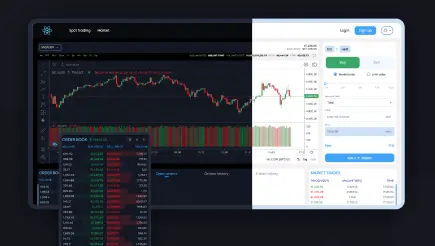
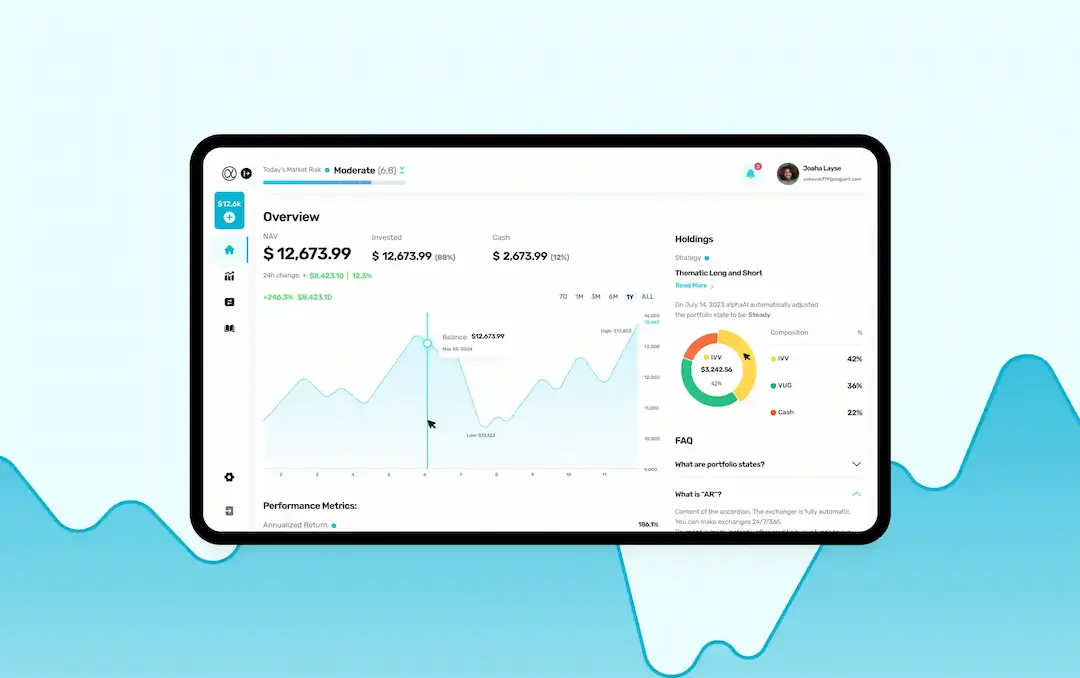
A next-generation AI-powered trading platform that lets retail investors build, simulate, and run fully-automated ETF strategies.
We had to create a secure, real-time trading product from scratch, translate a complex vision into a clear roadmap, and keep development agile enough to absorb regular startup pivots.


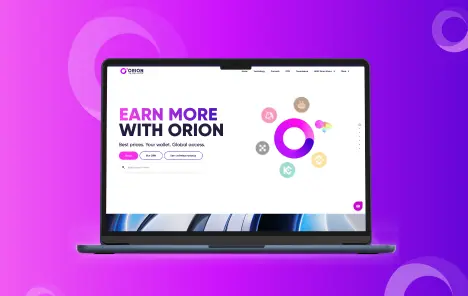
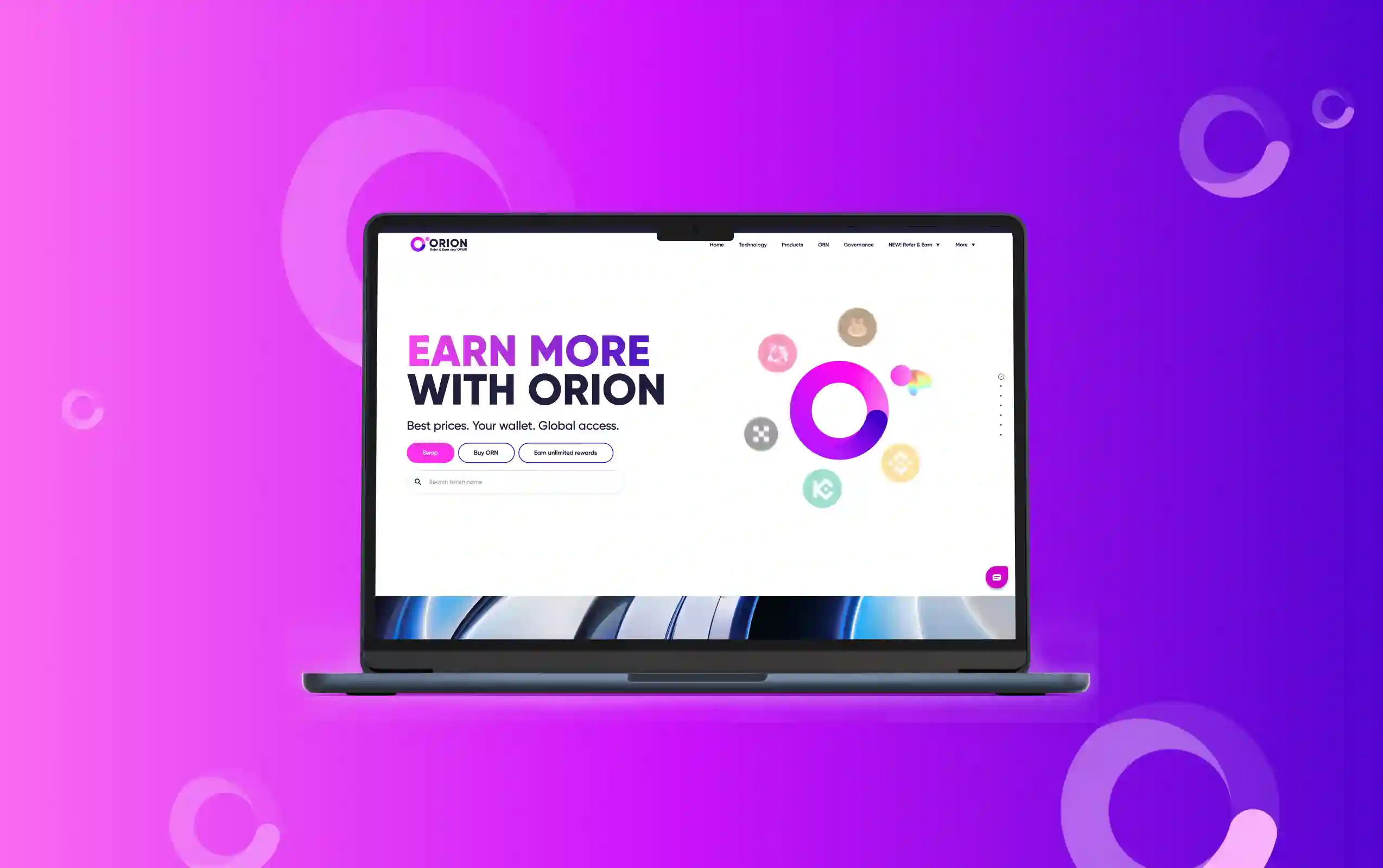
Orion Protocol (ORN) is a decentralized blockchain platform leveraging open-source technology to aggregate liquidity from centralized and decentralized exchanges (CEXs and DEXs).
The primary aim of this project is to offer cryptocurrency traders and users optimal trading rates across various exchange markets and platforms.


Cryptocurrency exchange
IGT-Crypto — project, which was originally planned to be a basic cryptocurrency exchange, is now a financial platform with its currency and a high security level.

Cryptocurrency exchange for buying/selling Bitcoin, Bitcoin Additional, and other altcoins
Quan2um is a trusted cryptocurrency exchange where users can buy and sell popular listing coins. It has a high level of security that meets European standards. The platform has a bonus system for new customers with a multi-level commission system. On the exchange, you can invest in your own Quan2um coin – BTCA, and receive passive income.

Benefits of Web3 Game Development Services
True Player Ownership Drives Retention
When players own tradable assets instead of renting access to them, they invest more time in the game and stay far less likely to walk away — the asset itself becomes a reason to come back.
New, Recurring Revenue Streams
NFT mint sales, secondary-market royalties, and marketplace fees give studios revenue that continues well past the initial launch window, rather than tapering off within weeks of release.
Faster Time-to-Market
Proven frameworks and audited contract patterns let development move from concept to deployment noticeably faster than building every component from scratch.
Scalable Game Economy Architecture
The economy gets built to grow from the start — new chains, features, or trading pairs can be added without reworking the core system every time the scope expands.
What Our Clients Say
We don’t just build software, we build success stories

Peiko delivered a smart contract that was highly evaluated by one of the most demanding auditors on the market. They contributed strategically, offering insights that extended far beyond technical development.

Amazing agency, perfect communication and execution (agile development with very high quality of work), they think out of the box and really help you shape the product. They also have great design skills in the team and are always available- I highly recommend them and will definitely hire again for a next big project!

We are pleased that we selected Dima and Peiko as our software development Advisor and partner. Dima and Peiko team beyond the great technical skills, their collaborative approach and project management make them a reliable tech partner.

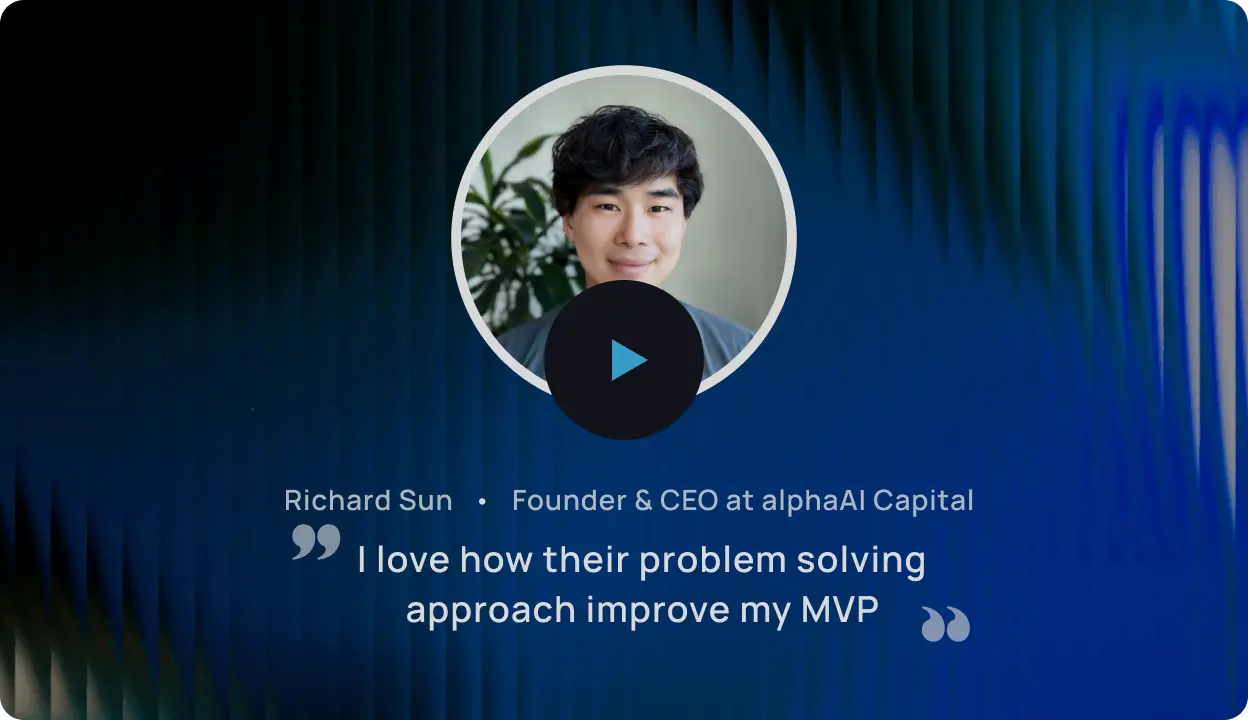
I selected Peiko team based on their profile and the submitted quality proposal. I also met them personally, and I reached the initial concusion that I am working with a professional team. The end product was delivered with superb quality and structure. the documentaiton part was also great.

If you’re looking to partner with a team that truly understands your vision and has the technical prowess to bring it to life, Peiko is the partner you can rely on.

I consider Peiko a qualified technical partner for many reasons, such as delivering milestones on time, providing fast software improvements, and resolving bug issues quickly. They’re very experienced in blockchain and financial services and get deeply involved in the development process.

What impresses me most about Peiko is their innovative approach! Thanks to Peiko’s efforts, the client has noticed an increase in user engagement and trading volume. The team establishes a seamless workflow by being highly responsive and dedicated to the project. Moreover, they continue to impress the internal team with their innovative solutions.

Their rapid response to our requests was a major factor in the project’s successful completion. Peiko’s efforts have increased user engagement and transactions, meeting expectations. Peiko’s responsive and communicative approach has resulted in a successful partnership. The team is committed to creating a secure and user-friendly platform that caters to auctioneers and buyers.

Peiko has provided deliverables on time and with minimal revisions. The team is responsive to the client’s needs, addresses questions quickly, and consistently delivers items within expectations. Peiko’s communication and problem-solving skills have been remarkable throughout the engagement.
Although the platform has yet to launch, Peiko is able to execute and manage the platform successfully. A collaborative team, they have engaged with the clients to work out the stages and concept in the development of the project. They have communicated well to provide progress updates and feedback.


Although the platform has yet to launch, Peiko is able to execute and manage the platform successfully. A collaborative team, they have engaged with the clients to work out the stages and concept in the development of the project. They have communicated well to provide progress updates and feedback.
They’re an open-minded team and I’m glad to be working with them. Peiko works fast and pays great attention to detail. Regular and honest communication benefit the collaborative partnership. Customers can expect to work with a professional and open-minded team.


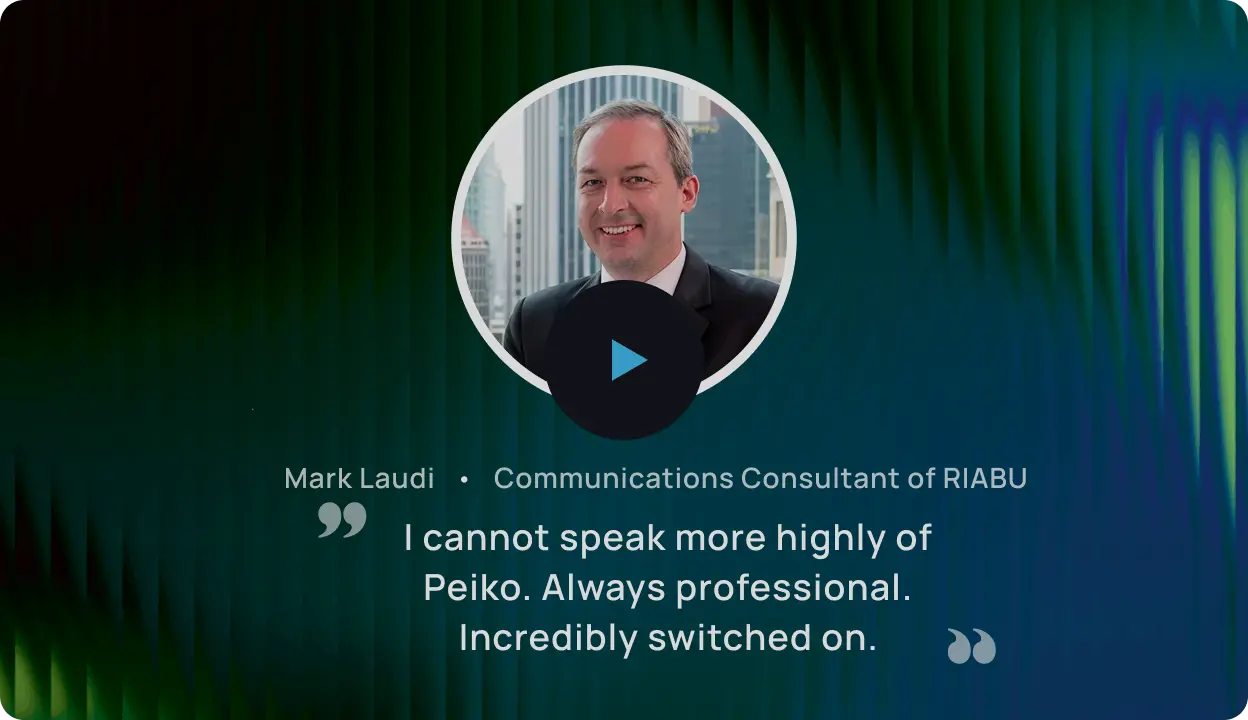
My initial trepidation in hiring an agency in another time zone, and a market I was not familiar with, proved unfounded. Always professional. Incredibly switched on. I get the sense they actually really understand what we are trying to achieve. I don’t have to explain everything – they intuitively seem to understand. The designs the team have come up with are fantastic.
We’ve earned a 100% Job Success score on Upwork as a result of consistent delivery, long-term client satisfaction, and predictable results.
View work historyOur work is rated 5.0 on Clutch, reflecting verified client reviews, strong professionalism, and a clear focus on scalable, business-driven digital solutions.
Read reviewsHow Much Does Web3 Game Development Cost?
Smart Contract & Tokenomics System
$10,000–$15,000 Token and NFT contract design, testing, and deployment for a single game economy.
NFT & Wallet Integration (Web2 → Web3)
$5,000–$15,000 Adding an ownership layer, wallet, and marketplace to an existing game without a rebuild.
Web3 Game MVP
$5,000–$15,000 A focused play-to-earn or NFT-based game with core mechanics and production-ready architecture.
Full-Scale Web3 Game
$10,000–$25,000 A complete play-to-earn or metaverse game with custom tokenomics, marketplace, and multi-chain support.
Metaverse / GameFi World
$45,000–$70,000 A persistent world with tokenized land, avatars, and a full economic system built around player interaction.
Enterprise Web3 Game Platform
$50,000–$80,000+ AAA-scale production with institutional-grade security, compliance, and infrastructure built for scale.
How we work
Let’s talk- One proficient developer or a skilled team exclusively committed to your project, dedicating their entire working month solely to your endeavor.
- Assured Payment Terms: Secure your commitment by making a prepayment for the last month’s guaranteed payment.
- Sprint-Based Payments: Divide the payments for ongoing sprints – 50% at the outset and the remaining 50% at the end of each month.
- Alternative Approach: Opt for terms with sprint payment spanning 4 weeks – a simple 100% prepayment at the start of each month.
- Our developer or team focuses solely on the tasks you’ve outlined.
- Sprint-Driven Pricing: The rate is configured for a two-week sprint, encompassing 80 hours of dedicated developer/team effort.
- Sprint Start: Begin with a 100% prepayment for a full sprint, ensuring a seamless start.
- Monthly Hourly Payment: As the month progresses, make payments based on the hours our adept developers spend. Additionally, any agreed-upon overtime tasks (as mentioned in the report) are billed at the established rate.

Our Web3 Game Development Process


FAQ
Web3 game development builds games where players truly own their in-game assets — items, characters, or land — as NFTs, and can trade them freely. It combines traditional game design with blockchain infrastructure, smart contracts, and token economies.
In Web2 games, the studio owns all in-game assets and players only rent access to them. Web3 games put ownership on-chain, giving players real, tradable assets and often a stake in the game’s economy through tokens.
Ethereum, Polygon, Solana, and other gaming-focused chains are supported, built using Unity, Unreal Engine, or WebGL for the client. A different combination not listed here can usually be scoped during discovery.
Timelines range from around 8 weeks for a smart contract and tokenomics system to 6-12 months for a full-scale game or metaverse world, depending on scope and complexity.
Yes, wallet connections, NFT items, and a marketplace get integrated into a live game without rebuilding its core mechanics or disrupting your existing player base.
No, onboarding gets built with embedded wallets and social or email login, so players can start without any crypto experience or a separate wallet app.
Token supply, sinks, and faucets get modeled before development starts, and the economy gets stress-tested through simulation, so rewards don’t inflate faster than the game can sustain.
Contracts get prepared for independent audit through secure coding practices and thorough internal testing, with third-party audits coordinated as part of the engagement.
Got a question? Drop us an email at hello@peiko.space