














Many have already turned their passion for video gaming into moneymaking. However, with GameFi crypto, everyone can monetize their hobby with ease. Since the CryptoKitties launch in 2017, the GameFi industry has rapidly evolved and turned numerous digital collections into valuable assets. Forward-thinking business owners can jump into this revolution by creating or investing in blockchain-based games, tokenized in-game assets, and decentralized marketplaces.
In this piece, we’ll delve into what is GameFi and discuss the huge impact of DeFi games on the video gaming industry.
What is GameFi: definition and core concepts
Let’s first understand what stands behind the innovative concept GameFi crypto and excites the rising number of video gamers.
Statista reports that the number of video gamers will grow by 0,4 billion within 2024-2029, resulting in more than 3 billion gamers in 2029. Game Fi allows them to earn real money via in-game items and tokens. It is a profitable synthesis of gaming and decentralized finance (DeFi). The innovative technology combines gaming with distributed ledger technology (DLT) to leverage player experiences.

Users have true ownership of their in-game assets, safeguarded on the blockchain as non-fungible tokens (NFTs). They trade seamlessly and transfer assets, controlling investments and constantly creating value from their games. With DLT, GameFi fosters transparent and decentralized economies, altering the way users engage with virtual environments. This blend not only enhances gameplay but introduces new financial opportunities.
The evolution of gaming economics
In 2024, GameFi saw explosive growth, with projections estimating over 50 million active players by the end of the year. It is more than double the user base from 2023! The prediction exceeds itself. Active GameFi users reached 57.5 million in February 2024, up 17% from the previous month. This growth pattern persisted.
Traditional gaming models decay
The old gaming models gradually lose their popularity amidst innovations. Pay-to-play games can’t keep up with the demand for more freedom and value. Gamers want more than just entertainment – they want ownership, rewards, and the ability to trade their in-game assets. As a result, the traditional model is fading, creating a lot of space for new, more profitable experiences.
The two emerging economic models: pay-to-win and game-as-a-service
- Pay-to-win (P2W): Players pay for items or abilities that give them a competitive advantage. This model can be polarizing. While providing significant revenue streams for developers, it can alienate players who feel that progression is only achievable through spending rather than skill. In a GameFi context, however, players who invest in assets can potentially trade or sell them.
- Game-as-a-service (GaaS): This model gives players basic access to a game either for free or a nominal fee, with additional content available for purchase. It has encouraged sustained player engagement through regularly updated content, often via subscription services or one-time purchases. Theb update creates a recurring revenue model and maintains a steady player base that benefits both players and developers.
Emergence of play-to-earn (P2E)
GameFi takes this trend even further by offering real rewards through blockchain. The play-to-earn NFT games market reached approximately $3.29 billion in valuation in 2022. Forecasts indicate a substantial increase, with an anticipated 17.93% compound annual growth rate (CAGR), potentially elevating the market size to around $8.86 billion by 2028.
The use of GameFi token permits users to exchange and profit from their assets. For instance, Telegram games such as Blum or Tap fantasy exemplify this model, allowing users to earn cryptocurrency through gameplay. Thus, they form a vibrant economy around video games. Such a shift enhances engagement and fosters community as players collaborate to maximize their earnings.
GameFi Trends Shaping the Market in 2026
GameFi is moving beyond the early Play-to-Earn model. In 2026, successful blockchain gaming projects increasingly focus on combining familiar gaming experiences with blockchain features that provide a practical benefit to players.
From Play-to-Earn to Sustainable Game Economies
Early GameFi projects often relied heavily on token rewards to attract players. While this model generated rapid user growth, many projects struggled when token supply increased faster than demand.
The 2026 market places greater emphasis on sustainable economies. Developers increasingly design token sinks, limited asset issuance, marketplace fees, progression systems, and other mechanisms that connect the game’s economy to actual player activity.
Blockchain Becomes Less Visible
Another important trend is reducing the amount of blockchain complexity visible to players.
Wallet creation, gas fees, network selection, and transaction signing can create friction for mainstream gamers. As a result, GameFi developers are increasingly using technologies such as embedded wallets, account abstraction, and sponsored transactions to make Web3 functionality feel more like a conventional gaming experience.
Gaming-Specific Blockchain Infrastructure
Game developers are also increasingly choosing infrastructure designed specifically for gaming requirements.
High transaction volumes, low fees, fast confirmation times, NFT standards, wallet integrations, and developer tooling can all influence which blockchain is appropriate for a particular game.
DappRadar’s 2025 reports highlighted the continued growth of gaming-focused ecosystems, including opBNB, Immutable zkEVM, Ronin, and other networks supporting major blockchain games.
AI Meets GameFi
AI is becoming another emerging layer of blockchain gaming.
Potential applications include:
- AI-powered NPCs;
- dynamic quests;
- personalized game content;
- autonomous characters;
- AI assistants;
- procedural content generation;
- player behavior analysis.
The combination of AI and blockchain could eventually allow game characters and autonomous agents to interact with digital assets and game economies. However, this remains an emerging direction rather than a proven replacement for conventional game design.
Quality Over Token Speculation
Perhaps the biggest change is that blockchain alone is no longer enough to make a game successful.
The industry’s 2025 data showed both continued user activity and significant project failures. DappRadar reported that blockchain gaming activity fell 17% quarter-over-quarter to 4.8 million dUAW in Q2 2025, while more than 300 gaming dapps became inactive during the quarter.
For developers, this reinforces an important lesson for 2026: A successful GameFi project needs a good game first, with blockchain features that provide a clear reason to exist.
Key components of GameFi
GameFi reshapes how players interact with games and their communities by integrating key components such as blockchain technology, cryptocurrency, NFTs, and smart contracts.

Blockchain technology in gaming
GameFi runs on blockchain tech, which makes everything super secure and transparent. Consider it as a virtual castle where your in-game assets are safe from hackers. The underlying blockchain ensures that all transactions are immutable and traceable. With GameFi protocol crypto, you can play the game without the fear of losing your belongings.
Tokenized game economy
GameFi projects have native tokens that fuel their in-game economy. In GameFi, cryptocurrency lets you earn and spend digital coins while you play. GameFi token gives real value to your gaming achievements. These tokens are used for purchasing items, participating in events, or earning rewards. They usually have real-world value and can be traded on crypto exchanges. These cryptocurrencies are usually built on blockchain platforms. They enable seamless peer-to-peer transactions, which enhances the overall gaming experience.
Non-fungible tokens in games
GameFi environment lets you own unique in-game items that no one else can have. You can collect rare skins or cool weapons that are totally yours. Each NFT features a unique cryptographic signature on the blockchain. Thus, you can be sure of its value because of its rarity and authenticity. GameFi tokens help you trade these NFTs, creating buzzing marketplaces where you can buy, sell, or trade your digital treasure with other players.
Smart contracts

Smart contracts are the backbone of the GameFi ecosystem. They automate transactions and enforce game rules without the need for intermediaries. With GameFi protocol crypto, these contracts facilitate seamless gameplay, minimizing the risk of fraud and manipulation. Consequently, gamers may concentrate on having fun, knowing that the system is fair and reliable.
How GameFi works
The fusion of DeFi and video games is like playing your favorite game, but instead of just earning in-game items, you get digital assets like cryptocurrencies or NFTs. Here’s how it works: players engage in games like role playing games (RPGs) or strategy games, but instead of using just game points, they interact with smart contracts.
So, as you complete quests, defeat enemies, or trade items, you’re actually participating in a financial ecosystem. Your game rewards (GameFi tokens or NFTs) are stored in a digital wallet. You can trade and sell them on decentralized marketplaces. Such a process results in a mix of gaming fun and concrete investments.
How to Build a GameFi Project in 2026
Building a GameFi product requires more than adding a token or NFT collection to an existing game. The blockchain architecture needs to work together with the game client, backend, economy, wallet infrastructure, and marketplace. A typical development process includes several stages.
1. Define the Game and Business Model
Start with the game itself. Define:
- target audience;
- gameplay loop;
- monetization;
- player progression;
- multiplayer requirements;
- digital assets;
- marketplace model.
The blockchain should be introduced only where it creates a meaningful advantage.
2. Design the Game Economy
Before creating a token, define how value moves through the ecosystem. This includes:
- in-game currencies;
- token supply;
- rewards;
- asset scarcity;
- token sinks;
- marketplace fees;
- player spending;
- progression mechanics.
The goal is to avoid an economy that depends entirely on new players entering the system.
3. Choose the Blockchain Infrastructure
The appropriate network depends on the game’s technical requirements. Developers should evaluate:
- transaction costs;
- throughput;
- latency;
- ecosystem maturity;
- smart-contract compatibility;
- wallet support;
- NFT standards;
- developer tooling.
For high-frequency games, most gameplay logic should remain off-chain, while blockchain can handle ownership, settlement, marketplace transactions, and other operations where decentralization provides value.
4. Build Smart Contracts and Asset Systems
Smart contracts can manage:
- NFT ownership;
- token transfers;
- marketplace transactions;
- staking;
- rewards;
- asset minting;
- royalties or fee mechanisms.
Contracts should be designed with security and upgradeability requirements in mind and independently tested before handling real user assets.
5. Implement Wallet and Web3 Onboarding
A modern GameFi product should minimize the amount of blockchain knowledge required from players. Depending on the audience, developers can implement:
- embedded wallets;
- social login;
- account abstraction;
- gas sponsorship;
- fiat on-ramps;
- simple asset management.
The objective is simple: Players should be able to start playing before they understand how the underlying blockchain works.
6. Integrate the Game Backend
The backend remains critical even when blockchain infrastructure is used. It can manage:
- player profiles;
- matchmaking;
- game sessions;
- inventories;
- analytics;
- anti-cheat systems;
- leaderboards;
- notifications;
- content management.
A hybrid architecture is often the most practical approach: fast game operations stay off-chain, while blockchain handles ownership and financial transactions where required.
7. Test the Economy and Security
Before launch, developers should test both the technical and economic sides of the system. This includes:
- smart-contract audits;
- penetration testing;
- load testing;
- wallet security;
- transaction failure handling;
- tokenomics simulations;
- marketplace testing;
- fraud prevention.
This step is particularly important because GameFi applications combine the complexity of gaming platforms with financial and blockchain infrastructure.
8. Launch and Measure Player Behavior
After launch, the most important metrics are not simply token price or wallet count. Track:
- player retention;
- daily and monthly active users;
- session duration;
- player acquisition cost;
- lifetime value;
- payer conversion;
- marketplace activity;
- token velocity;
- asset liquidity;
- churn.
This allows developers to determine whether blockchain features are actually improving the game rather than simply generating speculative activity.
The best benefits of GameFi
Apart from presenting an opportunity to earn while entertaining, let’s review some other advantages of Game-Fi for the video gaming and crypto fields.

- Decentralization of economy: GameFi introduces a new, decentralized financial system that merges traditional economics with digital assets and in-game currencies. Players can contribute to the global without depending on organizations or central authority.
- Community-driven development: Decentralized autonomous organizations (DAOs) and token-based voting within GameFi allow communities to influence game development and policy decisions. Both industries benefit from this, as the users’ interests and demands align with project growth.
- Increased user retention: The GameFi environment motivates existing players and beginners to interact more with the platform. By getting financial rewards for their time and effort, users ‘ engagement and loyalty in both gaming and blockchain ecosystems increase.
- Earning potential for players: Players can earn real-world value while playing games, usually in the form of cryptocurrencies or NFTs. Unlike traditional games, where in-game achievements and items have no value outside the game, GameFi enables players to convert their progress into actual income. For example, in games like Axie Infinity, players earn tokens that can be traded for real money on crypto exchanges.
Challenges and concerns in the GameFi sector
Each rapidly expanding industry faces challenges regarding regulatory compliance, environmental sustainability, economic stability, and potential exploitation. As discussed in our article on artificial intelligence and blockchain, the interplay of innovative technologies can present both opportunities and regulatory challenges. Although GameFi is highly promising, it is no exception.
Regulatory issues
Since players can actually make money, governments pay close attention. The decentralized nature of GameFi protocol crypto makes it tough to keep up with all the laws in different countries. If governments decide to crack down on crypto, it could mess with how GameFi works, leaving both developers and players in a difficult situation.
Environmental concerns
Blockchain transactions still require a lot of energy. DeFi video games use a lot of energy as well, which can lead to high carbon emissions. While some GameFi projects move towards greener options, it is still challenging to cut down on pollution. The industry needs eco-friendly solutions to keep fun without harming the planet.
Instability of the GameFi economy
Another hurdle for GameFi is maintaining a stable economic system. Players earn tokens whose values can fluctuate significantly, thus exposing themselves to potential instability. If the value of a GameFi token collapses, it could negatively impact all participants. Developers must create robust virtual economies that can withstand price volatility and avoid becoming speculative bubbles.
Notable GameFi projects
As GameFi grows, the number of successful projects is expected to increase. However, there are two dominant giants in the industry today.
Brief case studies of successful GameFi games
Axie Infinity and The Sandbox are often called today’s hottest GameFi projects. These two outstanding examples showcase the massive opportunities that blockchain-based games offer both players and business owners.
Axie Infinity

The Axie’s play-to-earn model allows players to breed, gather, and fight with the creatures named Axies. There are six game types within Axie: turn-based, strategy, adventure, puzzle, RPG, and +1. Players earn points by honorable actions such as praying to Atia and winning an Axie arena. After each week, users receive Axie Infinity Shards (AXS, the platform’s cryptocurrency) based on the accrued points.
The Sandbox

The Sandbox focuses on virtual world-building. With the creative tools, gamers realize their ideas in the metaverse, whether creating distinct experiences or designing voxel-based NFTs. The Sandbox’s metaverse has an in-built modeler, animator, and block editor. Users create, own, and monetize digital and real estate assets using NFTs and SAND, the platform’s crypto currency.
GameFi’s meaning of Axie Infinity and The Sandbox is significant. Together, these innovative games have generated interest in blockchain-based economies. They have also encouraged traditional gaming companies to explore Web3 and decentralized ownership.
The future of GameFi
Blockchain games revolutionize both gaming and financial industries by offering players real financial rewards for mere entertainment. Blockchain game-related funding reached $1.5 billion in the third quarter of 2023. Almost $1M was allocated to Web3 solely. GameFi’s deeper move into the metaverse strengthens this tendency, making virtual economies and cross-game trading more common.
Developers look for opportunities to build a blockchain game that leverages these trends and strive to create new opportunities for both players and investors. As GameFi continues to evolve, we can expect innovative game mechanics and monetization strategies that enhance player engagement while promoting sustainable economic models.
Peiko is your reliable blockchain development partner
Crypto startup companies often need expert help to avoid common mistakes and ensure long-term thriving for their projects. As a full-cycle software development company, Peiko can assist you in leveraging your crypto startup, providing a bunch of services including blockchain and marketplace construction.
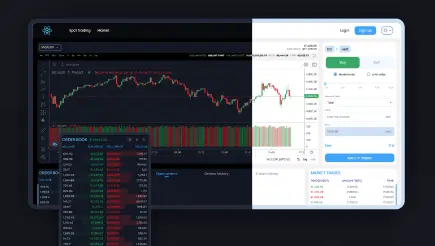
We are especially proud of Vorpal, a decentralized exchange (DEX) developed by Peiko. As an automated market maker (AMM), it offers consumers a decentralized cryptocurrency trading platform.
Peiko was responsible for integrating Binance Coin (BNB) and facilitating the transition to the Binance Smart Chain, boosting Vorpal’s performance, speed, and functionality. This upgrade ensures that the platform operates efficiently as a secure DEX solution. With the addition of Web3 wallet support, Vorpal enables users to conduct seamless token swaps and offers an array of features, including advanced analytics, staking, and farming functionalities for investors.

Conclusion
After identifying what is GameFi one can suggest the long-term and significant impact of GameFi on the video gaming and crypto industry. Integrating blockchain technology opens new avenues for creativity and ownership in gaming. With the potential for innovative game mechanics and sustainable economic models, GameFi will attract even more players and investors.
Are you ready to join the growing community of gamers and create a blockchain game that will shape the future of entertainment and finance? Contact us today to learn how we can help you navigate this exciting landscape!
No comments yet. Be the first to comment!