
















What is a Security Token Offering (STO)?
To advance your business, attracting investors is crucial. A security token offering (STO) has emerged in the cryptocurrency realm akin to how an initial public offering (IPO) functions in traditional stock markets.
STO is a fundraising strategy in which companies issue digital tokens on a blockchain. These tokens represent ownership or financial interests in real-world assets and comply with regulatory standards.
While still relatively new and less common than initial coin offerings (ICOs), the appeal of STOs is rapidly increasing. To learn more about STOs, their launching process, and how security token development can benefit your business, read our detailed article.
Definition of security token offering
An STO is a modern investment approach that utilizes digital security crypto tokens. The STO functions like issuing traditional equity shares but in a digital format.
These security crypto tokens signify ownership or financial interest in a company or asset and are supported by tangible, real-world assets, providing a secure and regulated investment alternative. This method can also serve as a strategy to mitigate risks associated with “Simple Agreements for Future Tokens” (SAFT), providing a more stable investment framework.
Security crypto tokens offer a great investment opportunity by merging the strengths of traditional securities with the pros of blockchain technology.
The market for tokenized securities was valued at $202 billion in 2023 and is expected to expand to $301 billion by 2030. This growth shows a compound annual growth rate (CAGR) of 5.96% from 2024 to 2030.

Explanation of what security crypto tokens are
These tokens are a specific type of digital asset linked to the securities of companies rather than traditional currencies. They serve as unique digital proof of ownership for shares, bonds, and other similar assets. Beyond financial securities, some security coins can also represent ownership of real estate, artworks, and other tangible items.
Because these tokens are connected to highly regulated assets, the legal frameworks governing traditional securities can also apply to them. For investors, this represents a major advancement, as it introduces mechanisms for risk management and legal protection that were previously lacking.
How STOs differ from ICOs and traditional securities
Below, we will consider how STOs contrast with both ICOs and traditional financial instruments, outlining their distinct features.
| Aspect | STO | ICO | IPO |
|---|---|---|---|
| Conducted by | Registered investors, brokers, and exchanges | Start-ups, often with limited equity capital | Established companies with verified track records |
| Value carrier | Security crypto tokens | Utility tokens | Stock |
| Regulation | Subject to a number of regulations (laws+smart contracts) | Operates in a less regulated environment | Subject to strict regulatory oversight |
| Asset backing | Linked to actual financial assets | Promises potential future returns, without physical asset backing | Shares of the company, with dividend guarantees |
| Investor protection | Higher investor protection | Less investor protection | Shareholders receive dividends and are protected by regulations |
| Cost | Below average | Minimum | High |
Security Token Offering vs ICO vs IPO
Although Security Token Offerings (STOs), Initial Coin Offerings (ICOs), and Initial Public Offerings (IPOs) all help organizations raise capital, they differ significantly in regulation, investor rights, and asset backing. Choosing the right fundraising model depends on your business goals, legal requirements, and target investors.
The table below highlights the main differences between these fundraising methods.
| Feature | Security Token Offering (STO) | Initial Coin Offering (ICO) | Initial Public Offering (IPO) |
|---|---|---|---|
| Primary Purpose | Raise regulated investment capital | Raise funds for blockchain projects | Raise capital by selling company shares |
| Asset Backing | Real-world assets or equity | Usually utility tokens | Company equity |
| Investor Rights | Ownership, dividends, voting (if applicable) | Usually access to products or services | Shareholder rights |
| Regulatory Compliance | High | Low to Medium | Very High |
| KYC / AML | Mandatory | Optional or limited | Mandatory |
| Target Investors | Accredited and institutional investors | Retail crypto investors | Public investors |
| Token Standard | ERC-1400, ERC-3643, similar | ERC-20, BEP-20, SPL | Traditional securities |
| Liquidity | Security token exchanges | Cryptocurrency exchanges | Stock exchanges |
| Settlement Speed | Minutes | Minutes | T+1 / T+2 depending on exchange |
| Global Accessibility | High (subject to regulations) | Very High | Limited by stock market access |
| Typical Fundraising Size | $1M–100M+ | $100K–50M | $10M–1B+ |
| Best For | Tokenized assets, real estate, investment funds | Web3 startups, utility ecosystems | Mature private companies going public |
When Should You Choose an STO?
An STO is the preferred fundraising model when regulatory compliance and investor protection are priorities. It is particularly suitable for projects involving real estate tokenization, private equity, venture capital funds, infrastructure financing, and other real-world assets. Unlike ICOs, STOs provide legally recognized ownership rights and are designed to operate within existing securities regulations, making them more attractive to institutional investors.
By comparison, ICOs are generally used for launching utility tokens within blockchain ecosystems, while IPOs remain the standard approach for companies seeking to list shares on public stock exchanges.
Key features of STOs
These offerings present unique features that distinguish them from other investment approaches. Let’s consider these features in more detail.
Regulatory compliance
STOs are structured to comply with rigorous financial regulations, aligning with legal standards for securities. This adherence to regulatory frameworks ensures investor protection and boosts the legitimacy of the offering, creating a safer investment landscape.
Asset backing
Security crypto tokens are supported by real-world assets or financial stakes, such as company equity, real estate, or other physical assets. This backing provides investors with a concrete claim on the underlying assets, enhancing security and value reliability.
Investor rights and protections
STOs guarantee investor rights through legal frameworks akin to traditional securities markets. This includes transparency in transactions and clearly defined shareholder rights, such as voting privileges and dividend distributions, ensuring a fair and protected investment environment.
Increased liquidity
STOs provide liquidity to assets that are typically difficult to trade, such as real estate or venture capital. Tokenization enables assets to be split into smaller, tradable units. This allows investors to purchase and trade portions of the asset. This process expands the security token market by increasing the pool of potential buyers and sellers.
Benefits of STOs
Below are the key benefits of STOs; by examining which, you can better appreciate how STOs can optimize the investment process.

- Global reach: Blockchain technology provides seamless cross-border transactions, making STOs accessible to worldwide investors. This creates investment opportunities that were once restricted to specific regions, thereby democratizing access to capital markets.
- Transparency and security: The blockchain’s decentralized structure ensures that transaction records are clear and secure from tampering. This transparency, coupled with rigorous regulatory compliance, fosters greater investor confidence.
- Automation and efficiency: What about STO meaning in business? By utilizing smart contracts, STOs streamline various processes like dividend payments and voting procedures. This automation reduces administrative burdens and enhances the efficiency of managing investments.
- Fractional ownership: STOs allow assets to be split into smaller, tradable fractions, making it possible for investors to engage in high-value investments with lower capital requirements.
With Peiko’s top security token offering development services, you have an exceptional opportunity to distinguish your project in the market and reap the benefits of a successfully launched STO.
Who Should Consider a Security Token Offering?
Not every fundraising model fits every business. Security Token Offerings are designed for organizations that need regulatory compliance, transparent ownership structures, and access to professional investors. They are particularly effective when tokenizing real-world assets or raising institutional capital.
| Business Type | Is STO a Good Fit? | Why |
|---|---|---|
| Real Estate Companies | ✅ Excellent | Fractional ownership of property |
| Investment Funds | ✅ Excellent | Tokenized fund shares |
| Private Equity Firms | ✅ Excellent | Digital securities with compliance |
| Startups Raising Equity | ✅ Good | Alternative to traditional fundraising |
| Infrastructure Projects | ✅ Good | Long-term investment opportunities |
| Renewable Energy Projects | ✅ Good | Asset-backed investment model |
| Utility Token Projects | ❌ Usually No | ICO or Token Generation Event may be more suitable |
| Community DAOs | ❌ Usually No | Governance tokens fit better |
Best Blockchain Platforms for Security Token Offerings
Selecting the right blockchain is one of the most important decisions when launching a Security Token Offering. The chosen network affects transaction costs, settlement speed, interoperability, regulatory support, and long-term scalability. While Ethereum remains the industry standard for security tokens, several alternative blockchains offer lower fees or higher throughput depending on the project’s requirements.
The comparison below highlights the strengths of today’s leading blockchain platforms for STO development.
| Blockchain | Token Standard | TPS | Avg. Transaction Fee | Enterprise Adoption | Best For |
|---|---|---|---|---|---|
| Ethereum | ERC-1400, ERC-3643 | ~30 | High | Excellent | Institutional STOs, tokenized securities |
| Polygon | ERC-1400 | 7,000+ | Very Low | High | Cost-efficient STOs and real estate tokenization |
| Avalanche | ARC-20 | 4,500+ | Low | High | Enterprise financial platforms |
| Stellar | Native Assets | 1,000+ | Very Low | High | Cross-border payments and token issuance |
| Algorand | ASA | 6,000+ | Very Low | High | Regulated digital assets |
| Solana | SPL | 65,000+ | Very Low | Growing | High-volume trading platforms |
| XRP Ledger | XLS-20 / Issued Assets | 1,500+ | Very Low | High | Tokenized financial assets and payments |
Choosing the Right Blockchain
| Business Goal | Recommended Blockchain | Reason |
|---|---|---|
| Institutional fundraising | Ethereum | Largest ecosystem and compliance standards |
| Real estate tokenization | Polygon | Low fees with Ethereum compatibility |
| Private equity funds | Ethereum | Mature security token infrastructure |
| High-frequency trading | Solana | High throughput and low latency |
| Cross-border securities | Stellar | Fast settlement and low transaction costs |
| Enterprise financial applications | Avalanche | Strong performance and subnet architecture |
| Digital asset issuance | Algorand | Regulatory-friendly ecosystem |
Key Factors to Consider
Before selecting a blockchain for your STO, evaluate the following technical and business factors:
| Evaluation Criteria | Why It Matters |
|---|---|
| Regulatory ecosystem | Some blockchains have stronger support for regulated securities. |
| Transaction costs | Lower fees improve scalability and investor experience. |
| Security | Mature networks reduce operational risks. |
| Token standards | Support for ERC-1400 or ERC-3643 simplifies compliance. |
| Ecosystem maturity | Larger ecosystems provide more wallets, exchanges, and tools. |
| Developer community | Active communities accelerate development and maintenance. |
| Institutional adoption | Indicates long-term reliability for enterprise projects. |
Expert Recommendation
For most enterprise Security Token Offerings, Ethereum remains the preferred choice due to its mature ecosystem, established security token standards, and widespread institutional adoption. Projects seeking lower transaction costs while maintaining Ethereum compatibility often choose Polygon, whereas Avalanche and Algorand are increasingly used for enterprise tokenization projects that require high performance and predictable transaction fees.
The STO process: key steps
In this section, you will discover the main steps in executing an STO, from initial planning and regulatory compliance to token creation, marketing, and post-sale responsibilities.

Step 1: Preparation and planning
The first phase of an STO involves comprehensive preparation and strategic planning. This stage includes setting clear goals for the offering, designing the securities token framework, and identifying the most advantageous jurisdiction for the STO.
It is essential to pick an appropriate jurisdiction, as it influences regulatory compliance, investor protection, and operational effectiveness. Moreover, performing an in-depth tax analysis is vital to grasp the tax implications and fine-tune the tax strategy for both the issuer and investors.
Building a team of specialists to oversee the process and ensure compliance with legal and regulatory standards is also a fundamental aspect of this phase.
Step 2: Legal and regulatory considerations
There are many legal and regulatory considerations regarding STOs that you should keep in mind when planning the launch.
Unlike ICOs, working with STOs is not open to everyone due to stringent regulations imposed by national laws. In the United States, for instance, participants in STOs must meet the following criteria:
- For organizations: They must possess assets totaling at least $5 million.
- For individuals: Assets must exceed $1 million, excluding their primary residence. Additionally, their annual income must be over $200,000 individually or $300,000 jointly, and this income level has been stable for the past two years and is expected to remain so.
- For companies: All members must undergo accreditation to participate in the STO process.
Although STOs are regulated by many of the same rules and laws that apply to traditional securities, regulatory challenges persist in certain countries. For instance, both STOs and ICOs are deemed illegal in South Korea and China.
This stage ensures that the offering complies with all applicable local regulations and laws. You need to prepare a token whitepaper or offering memorandum.
Step 3: Token creation and issuance
After regulatory approvals, the focus shifts to creating and issuing the security crypto tokens. This involves developing digital tokens that represent ownership or financial interests and ensuring they are registered and managed on a STO blockchain platform. At Peiko, we can help you create a token, conduct the security token offering platform, and token testing, and launch the STO.
Step 4: Marketing and investor outreach
Attracting investors is crucial for a successful STO. This phase includes marketing the offering, engaging potential investors, and providing comprehensive details to build interest and secure funding. You should test the ad visuals and messages of your marketing campaign, collaborate with media and influencers to promote the STO launch, and more.
Step 5: Securities token sale
The STO token sale phase is where investors purchase the security crypto tokens based on the offering’s terms. This stage is where capital is raised to support the issuing entity or project.
Step 6: Post-sale obligations
Following an STO, the issuer is required to maintain compliance with regulatory standards, including ongoing reporting and disclosure obligations. Adhering to these legal requirements is crucial for sustaining regulatory adherence and preserving investor confidence. This stage also includes the distribution of cash flows among investors and the setup of secondary trading.
How Much Does It Cost to Launch a Security Token Offering?
The cost of launching a Security Token Offering (STO) depends on several factors, including regulatory requirements, blockchain selection, smart contract complexity, investor onboarding, and platform functionality. Unlike ICOs, STOs require additional compliance measures such as KYC/AML verification, legal documentation, and security audits, making them more expensive but significantly more attractive to institutional investors.
The table below provides estimated development costs for a typical enterprise STO project.
| Component | Estimated Cost | Time | Required |
|---|---|---|---|
| Legal Structure & Compliance | $30,000–150,000 | 4–12 weeks | ✅ Mandatory |
| Smart Contract Development | $15,000–60,000 | 3–8 weeks | ✅ Mandatory |
| Security Audit | $10,000–50,000 | 1–3 weeks | ✅ Mandatory |
| Token Standard Implementation | $5,000–20,000 | 1–2 weeks | ✅ Mandatory |
| KYC / AML Integration | $5,000–25,000 | 1–3 weeks | ✅ Mandatory |
| Investor Portal | $15,000–50,000 | 3–6 weeks | Recommended |
| Admin Dashboard | $10,000–35,000 | 2–5 weeks | Recommended |
| Payment Gateway Integration | $5,000–20,000 | 1–3 weeks | Optional |
| Custody Integration | $10,000–40,000 | 2–4 weeks | Optional |
| Blockchain Infrastructure | $3,000–15,000 | 1–2 weeks | Mandatory |
| Exchange Listing Preparation | $20,000–200,000+ | Varies | Optional |
| Project Management & QA | $15,000–60,000 | Entire project | Mandatory |
Estimated Budget by Project Size
| Project Type | Estimated Budget | Typical Timeline | Best For |
|---|---|---|---|
| MVP STO Platform | $50k–100k | 2–3 months | Startup validation |
| Small STO Platform | $100k–200k | 3–5 months | Private fundraising |
| Enterprise STO Solution | $200k–500k | 5–8 months | Regulated financial products |
| Institutional Tokenization Platform | $500k+ | 8–12+ months | Banks, investment funds, real estate |
What Has the Biggest Impact on STO Costs?
Several factors influence the final budget of an STO project:
- Regulatory compliance often represents the largest expense, especially in jurisdictions with strict securities laws.
- Smart contract complexity increases costs when implementing dividend distribution, voting rights, or transfer restrictions.
- Security audits are essential for protecting investor assets and meeting compliance expectations.
- Investor onboarding, including KYC/AML verification and document management, requires integration with third-party providers.
- Platform functionality, such as investor dashboards, reporting tools, and administrative portals, significantly affects development time.
Challenges and limitations of STOs
Despite the advantages that STOs provide, they come with several significant challenges and limitations.
Regulatory hurdles
STOs operate within a challenging regulatory landscape that can be tricky to manage. Various jurisdictions have distinct and often stringent requirements, such as adherence to securities laws, AML (anti-money laundering) regulations, and KYC (know-your-customer) procedures.
Technical complexities
Implementing an STO involves substantial technical challenges. Developing and managing the technology for token creation, smart contracts, and STO blockchain integration requires advanced expertise. The Peiko security token offering development company can help you to handle all aspects of tech complexities. We can create a token itself, and the security token offering platform.
Market adoption
Gaining widespread acceptance for security crypto tokens presents a notable challenge. Although STOs offer numerous benefits, they are relatively new compared to traditional securities and ICOs. Building investor trust is another task to solve.
Real-world examples of successful STOs
In recent years, numerous security token offerings have achieved notable success. Each of these STOs has secured millions in funding, offering investors innovative opportunities to invest in private companies.
tZERO
This subsidiary of Overstock.com is a prominent case of successful STO. The platform raised over $100 million through its STO in 2018 to fund its blockchain-based trading system. tZERO’s platform functions as a regulated alternative trading system (ATS) designed for trading security crypto tokens and other digital assets.

22x
Another notable example is 22x, a venture capital fund that tokenized its offerings through an STO in 2018, successfully raising $22 million. This fund uses security crypto tokens to allow investors to gain fractional ownership in a range of ventures, showcasing the potential of STOs to democratize access to venture capital investments.

Aspen Digital
Real estate projects have also benefited from STOs. For instance, the Aspen Digital STO coin allowed fractional ownership of luxury properties in Aspen, Colorado. This STO crypto project showcased how tokenization can offer investors easier access to valuable real estate investments and improve liquidity in the property market.

Tips to attract investors to your STO project
Attracting investors to your STO requires a blend of strategic outreach and effective communication. Here are some essential tactics to consider:
1. Tackle a problem and develop a stellar tech document
You should clearly describe the problem your project addresses and what differentiates your security token. Emphasize potential returns and how it aligns with investors’ goals.
2. Establish a professional online presence
Build a well-designed website and maintain active social media profiles to project professionalism. Your website should feature detailed information about the STO, including whitepapers and team profiles.
3. Engage with relevant communities
Participate in blockchain and finance communities, both online and offline. Attend industry conferences and join forums to foster relationships and generate interest in your STO.
4. Provide educational resources
Offer educational content such as webinars and informational guides to help potential investors understand STOs. Equipping them with knowledge builds confidence in their investment decisions.
5. Collaborate with influencers
Partner with influencers in the blockchain space to enhance your project’s credibility and extend your reach to a wider audience.
6. Create investor incentives
Consider offering perks for early investors, like discounted token prices, to encourage prompt participation and build urgency.
How to pick the right blockchain for your STO?
Choosing the ideal blockchain for your Security Token Offering (STO) is a pivotal decision that can influence your project’s success. Each blockchain platform comes with its own set of features and advantages that may fit different project needs. Here’s a breakdown of some popular choices:

- Ethereum: This blockchain boasts strong smart contract functionalities and a vast developer community. Its widespread use can enhance the liquidity of your security tokens, making it a compelling option. However, consider potential challenges like network congestion and fluctuating gas fees that could impact transaction costs.
- Solana: Recognized for its high transaction speeds and minimal fees, Solana is becoming a preferred choice for STOs that demand rapid execution and scalability. If your project expects significant transaction volumes or requires quick processing, Solana may be an excellent fit. Just keep in mind that the ecosystem is still evolving.
- Arbitrum: As a layer-2 solution built on Ethereum, Arbitrum merges the security benefits of Ethereum with lower fees and faster transactions. This makes it suitable for projects that want to leverage Ethereum’s infrastructure while minimizing costs. However, ensure your team is well-versed in layer-2 solutions, as they introduce their own complexities.
Every project has unique considerations, so it’s crucial to assess these platforms based on your specific goals. At Peiko, we employ detailed comparison tables to evaluate criteria such as transaction speed, costs, and regulatory compliance, helping you identify the best blockchain for your STO.
The bright future of STOs
The future of STOs looks promising as their adoption is expected to grow among issuers and investors, driven by benefits like regulatory compliance, transparency, and fractional ownership. Regulatory frameworks will likely become more precise and more standardized, easing compliance challenges.
Future tech advancements in blockchain and smart contracts will improve efficiency and security, supporting more complex offerings.
The market for STOs is set to expand, with increased tokenization of such sectors like real estate, trade finance, art, sports, private equity, and more, potentially democratizing investment opportunities. As STOs gain global traction, cross-border transactions may become more common.
Additionally, enhanced investor protection through innovations in smart contracts and compliance technologies will likely improve transparency and security. As the STO market evolves, it has the potential to become a mainstream investment vehicle, offering greater access and efficiency.
Peiko is your reliable blockchain development partner
If you’re looking to build a security token or need help with the STO launch, Peiko is the perfect partner for your project, a well-experienced security token offering development company.
Our expertise in blockchain development services and in security offering token services enables us to deliver top-quality solutions. From token creation and smart contract development to platform integration, our team will bring your vision to life with precision and efficiency.
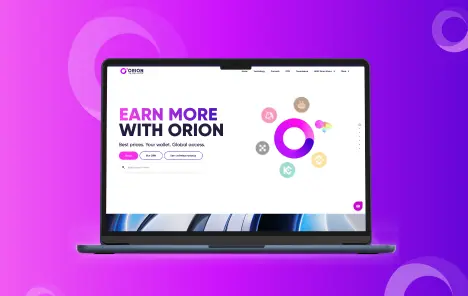
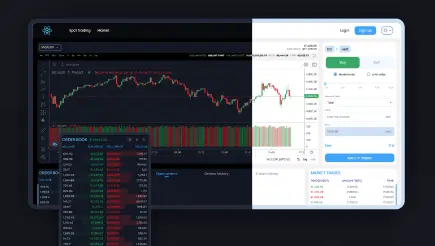
We are proud of the successfully completed blockchain projects we worked on. For instance, one of our best projects is Orion Protocol (ORN). It is an advanced decentralized platform designed to aggregate liquidity from both centralized and decentralized exchanges (CEXs and DEXs).
The initial request from the client was to build a user-friendly crypto exchange. The project evolved into creating a comprehensive platform that identifies the most advantageous trading routes and consolidates liquidity from major exchanges like KuCoin, Binance, and Uniswap. It also involved developing a native STO token (ORN) and enhancing the platform’s security and performance.

Our blockchain development team built the Orion Protocol from scratch, using progressive technologies to create a complex DeFi ecosystem. The platform features virtual order books, real-time trading route analysis, and cross-chain bridge integration for smooth asset transfers.
Today, Orion Protocol is recognized for its innovative approach to liquidity aggregation and trading efficiency in the cryptocurrency market.
Conclusion
STOs are an investment approach that offers a modern, secure, and efficient means for raising capital, benefiting both issuers and investors.
Issuers can tap into a wider investor base while adhering to stringent regulatory requirements, and investors gain from increased liquidity, fractional ownership, and enhanced transparency. Although STOs come with their own set of challenges, such as navigating regulatory complexities and addressing technical issues, their potential for growth and innovation is considerable.
If you want to start an STO, need help with security token crypto creation, or have any other blockchain project idea, Peiko can assist you with development. Contact us today to get started with Peiko’s expert software and blockchain development services. Let’s work together to transform your ideas into a successful security token project with our security token offering services.
No comments yet. Be the first to comment!